
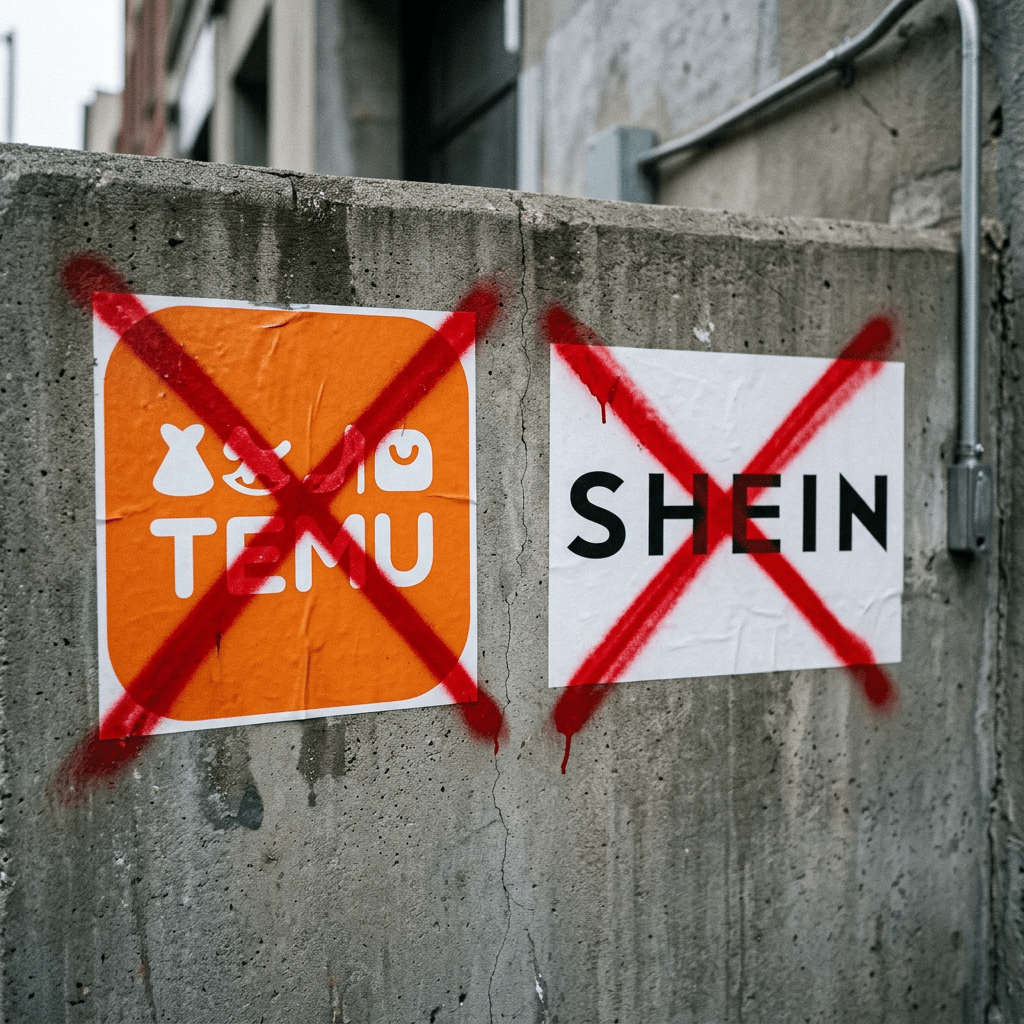
The recent introduction of additional charges on parcels arriving from non-EU countries has sparked plenty of discussion across Cyprus. For many, the news feels like a long-overdue correction with the goals to improve product safety, and reduce the flood of ultra-cheap imports from platforms such as Temu, Shein and AliExpress. The new €3 customs fee on low-value parcels is part of a broader EU effort to reform e-commerce imports and encourage fairer competition.
From a sustainability perspective, there is much to support. Fast fashion has an undeniable environmental cost. Disposable products, overconsumption, and questionable manufacturing practices have contributed to a culture where buying more has become easier than repairing, creating or reusing.
But there is another side to this conversation—one that deserves attention, especially in Cyprus.
For many small businesses, Temu or similar marketplaces are not simply places to buy cheap products. They are often the only accessible source for highly specific tools, crafting materials, replacement parts, packaging supplies, and specialised equipment that are either unavailable locally or sold at prices that make small-scale production impossible.
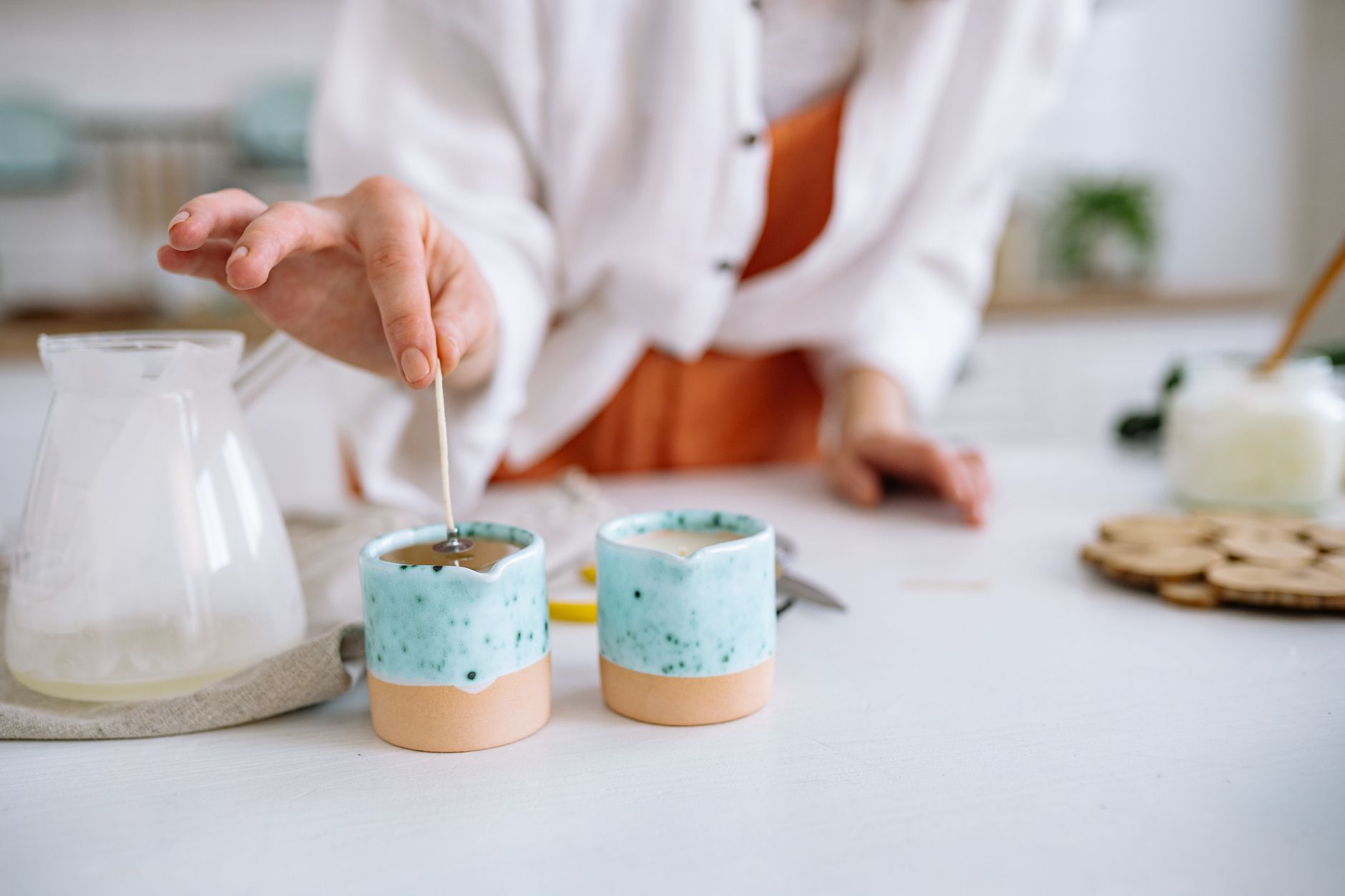
These purchases are not about filling shopping carts with disposable fashion. They are investments in creating products locally, extending the life of existing items, and supporting small, independent businesses.
Ironically, many of these businesses are contributing to the very sustainability goals that Europe wants to promote.
Cyprus presents a unique challenge. As an island with a relatively small market, the variety of materials available locally is naturally limited. Importing from larger European suppliers is certainly an option, but shipping costs can often exceed the value of the products themselves, while minimum order quantities are unrealistic for a business producing in small batches.
For entrepreneurs who are trying to build sustainable brands, every euro matters.
The challenge is ensuring that measures designed to discourage excessive consumerism do not unintentionally create barriers for the people driving local innovation and circular economies.
Perhaps this moment should also encourage a broader discussion in Cyprus.
- Could there be stronger support for local suppliers of specialist materials?
- Could cooperatives help small businesses combine orders from European wholesalers?
- Could makerspaces or shared purchasing initiatives reduce costs while keeping sourcing within Europe?
If we truly want to encourage local production and sustainable entrepreneurship, accessibility to materials and tools must become part of the conversation.
What do you think? Would love to here your thoughts on the topic.
 www.natureallydone.com
Leave a comment