
From protecting one of Cyprus’ most beautiful beaches to making reusable coffee cups the norm and investing millions in water security, here are sustainability stories I chose to highlight this week.
Sustainability can sometimes feel like a buzzword, but last week’s headlines show it’s becoming part of everyday life in Cyprus. Whether it’s how we enjoy our beaches, order our coffee, welcome tourists or manage our water, several important developments could have a real impact on the country’s future.
Here’s a quick look at the stories that caught my attention:
Protecting Lady’s Mile
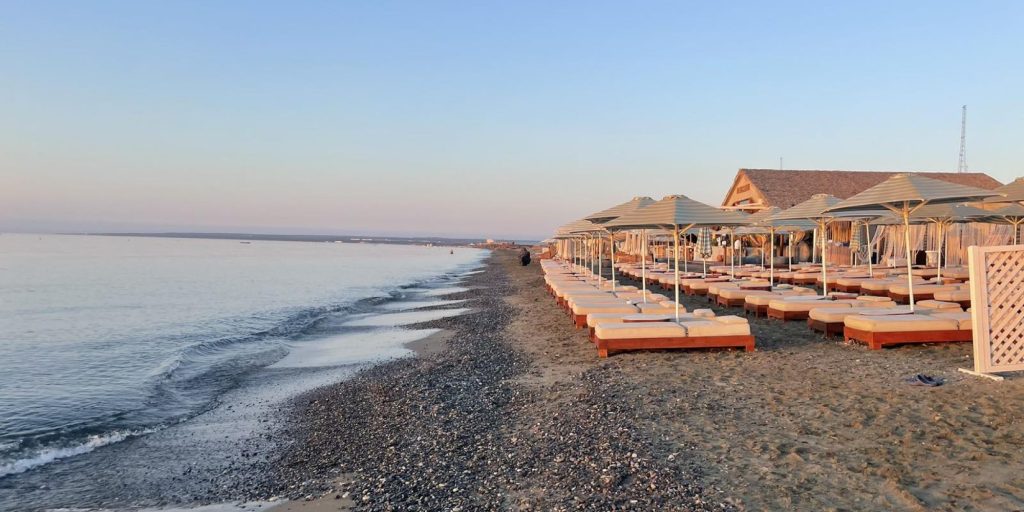
Photo source: Birdlife Cyprus
Lady’s Mile beach on the Akrotiri peninsula, one of Limassol’s most popular stretches of coast, is again at the centre of environmental controversy. Two leading NGOs, BirdLife Cyprus and Terra Cypria, are warning that uncontrolled business activity and poorly managed beach use are threatening a fragile ecosystem that hosts nesting sea turtles and protected bird species.
They have called on the British Sovereign Base Areas Administration (SBAA), which has jurisdiction over Lady’s Mile, to carry out systematic checks on beach businesses and fully enforce existing environmental law. The organisations want clarity on how licences are monitored, whether events and extra installations are properly approved, and what penalties are imposed when rules are broken, particularly during the crucial breeding season.
At the heart of their demand is a simple idea: a protected nesting beach must be managed as a single ecological unit, not as a patchwork of private interests. They argue that only “zero tolerance” for violations such as leaving sunbeds on the sand overnight, which can physically block turtles from nesting will prevent further degradation of this high‑value coastal habitat.
Source: philenews
Could Your Reusable Coffee Cup Soon Become the New Normal?

From February next year, takeaway coffee shops and food outlets in Cyprus will be required to accept serving drinks in customers’ own reusable cups or containers as long as basic hygiene requirements are met. This change is part of a new EU packaging waste regulation that applies directly in all member states, pushing everyday habits away from disposables and towards reuse.
Businesses have to set clear procedures for accepting containers, train staff, and display information explaining how the system will operate.
A second phase arrives in February 2028, when most food service businesses will have to offer their own reusable packaging—cups and containers customers can borrow and return, often through deposit schemes. Smaller outlets with fewer than 10 employees and low turnover will be exempt, but larger chains and popular urban cafés will be expected to redesign their operations.
From 2030, single‑use packaging for food and drinks consumed on site in hotels, restaurants and catering establishments will generally be banned, with only limited exemptions.(Source: Cyprus Mail)
How can tourism SMEs become more resilient in an increasingly uncertain world?
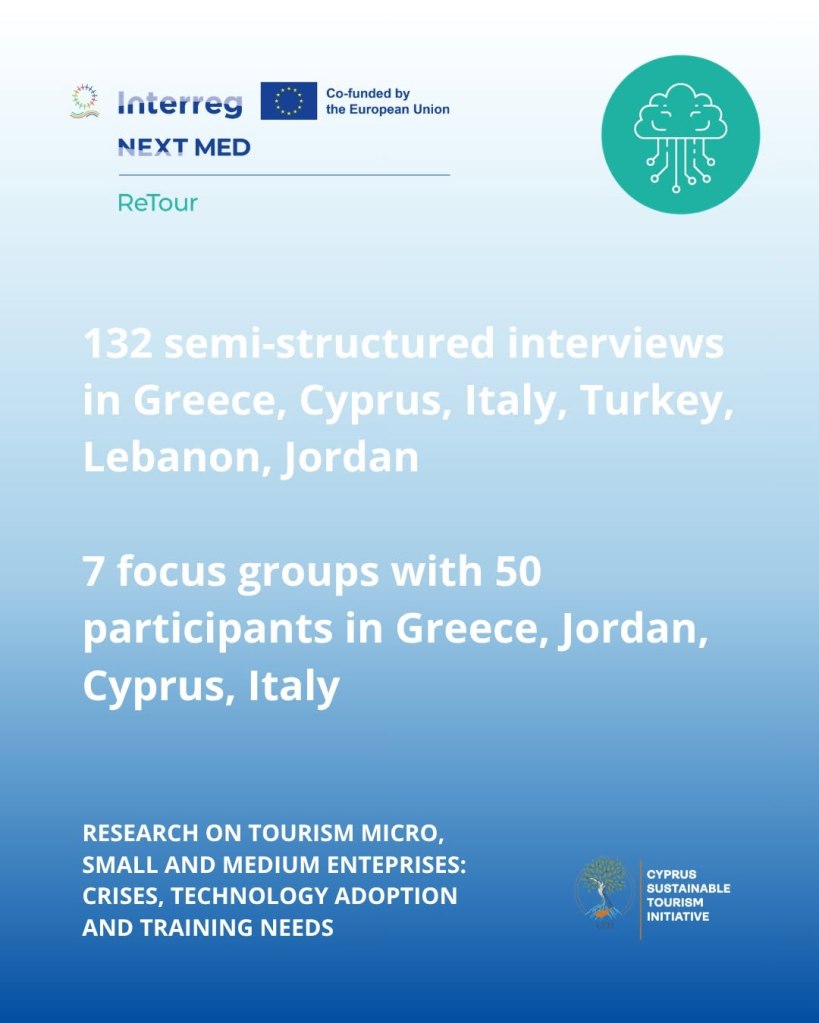
Photo source: Cyprus Sustainable Tourism Initiative
The Cyprus Sustainable Tourism Initiative (CSTI) recently contributed to a major international study exploring the resilience, challenges, and training needs of tourism SMEs across Southern Europe and the Middle East.
The comprehensive research project featured specific parameters regarding the region’s industry:
The study included:
• 17 literature sources covering Spain, Italy, Greece and Cyprus (2015–2024)
• 132 semi-structured interviews in Greece, Cyprus, Italy, Turkey, Lebanon and Jordan
• 7 focus groups with 50 participants across Greece, Jordan, Cyprus and Italy
Here are the key findings:
– SMEs demonstrate strong resilience, although levels vary across countries.
– Major challenges include health crises, geopolitical instability, inflation, staff shortages, rising costs, climate change, natural disasters and bureaucracy.
– Businesses see technology, digital transformation, strategic investment, staff training, renewable energy, networking and product diversification as key to building resilience.
– While digital proficiency is generally positive, there is significant room for improvement.
– SMEs are eager to adopt new technologies but face financial, technical and educational barriers.
– Training is recognised as essential, yet it is often delivered only occasionally and informally. The greatest interest is in AI, digital marketing, crisis management, sustainability and customer service.
Building resilient tourism SMEs means investing in people, innovation and collaboration to prepare the sector for future challenges.(Source: CSTI)
Helping Hotels Reduce Waste
Tourism is Cyprus’ economic backbone, and hotels are now being asked to become engines of the circular economy rather than sources of waste. A Cabinet‑approved plan for 2026–2029, led by the Deputy Ministry of Tourism in cooperation with the Cyprus Employers & Industrialists Federation (OEB), is relaunching a programme to help hotels adopt circular practices and get officially certified.
The project’s goal is to cut waste, use natural resources more efficiently and boost the competitiveness of Cypriot tourism by embedding sustainability into daily operations—from energy and water use to food, furnishings and waste management. Hotels and tourist accommodations will receive specialised consulting services so they can apply concrete circular economy measures and meet the criteria of OEB’s Circular Economy Certification Scheme.
Training initiatives, research, best‑practice guides and knowledge‑sharing will support the wider industry, not just a few flagship properties. In the first phase of the programme, 19 hotel businesses already earned circular economy certification, and officials say the expanded second phase should strengthen Cyprus’ broader green transition while also improving the “quality and competitiveness” of the tourism product.(Source: CBN)
Fighting Drought: €622 Million for Water and Rural Life
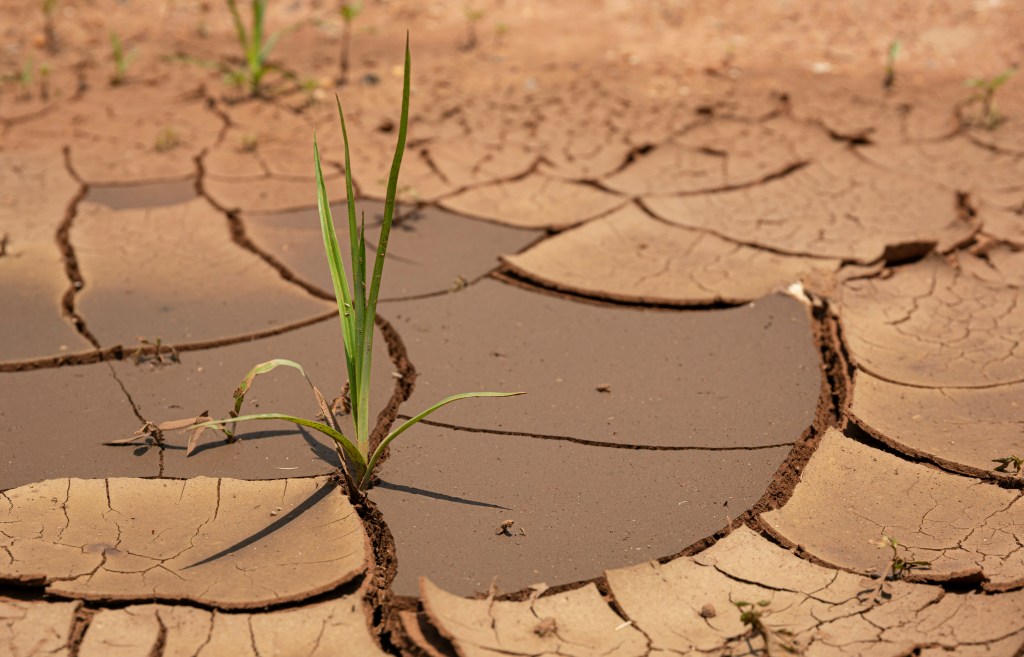
After one of the worst prolonged droughts in its history, Cyprus is investing heavily to secure water and support rural communities. Agriculture Minister Maria Panayiotou recently outlined a total of €622 million in measures: a €168 million package aimed at tackling the water crisis, alongside €454 million under the EU’s Common Agricultural Policy (CAP) to boost the resilience of the agricultural sector.
The water package focuses on three pillars: expanding desalination so that dam water can be reserved mainly for irrigation, maximising the use of treated wastewater (reclaimed water), and modernising irrigation networks to reduce losses. Cyprus already reuses about 90% of its reclaimed water, covering roughly 37% of national irrigation needs.
Strategically, the government wants all drinking water needs to be met through desalination plants, freeing stored dam water to support farmers and rural communities. The CAP‑funded measures aim to strengthen competitiveness and sustainability in the primary sector, while a new strategic plan post‑2027 is being prepared to reflect the specific needs of rural Cyprus and its agricultural economy.(Source: CNA)
 www.natureallydone.com
Leave a comment