
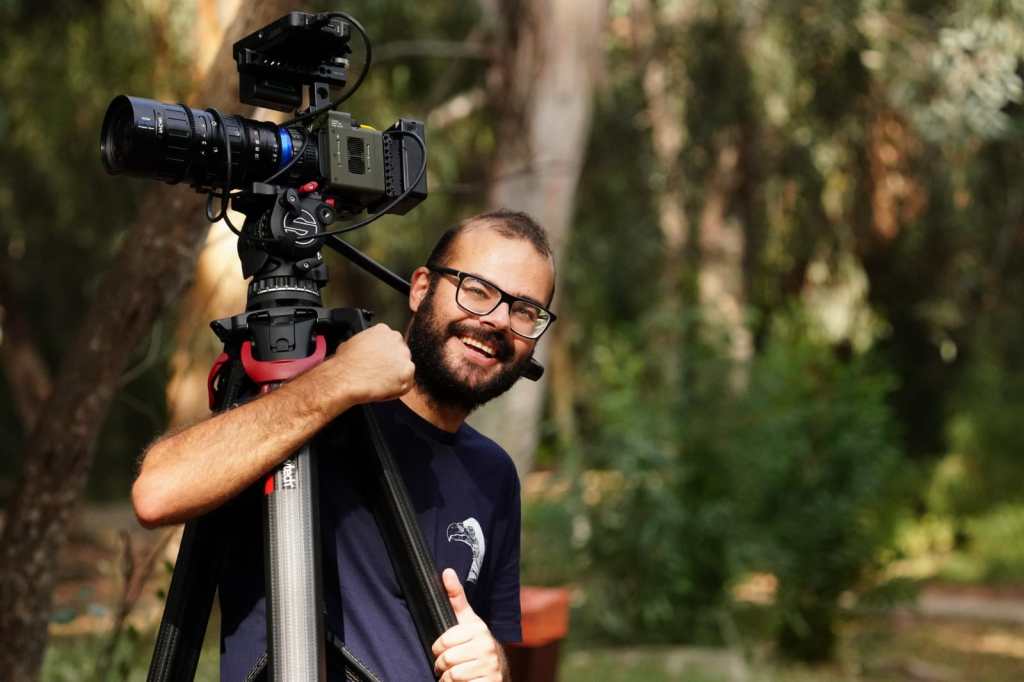
Most of us move through life without noticing the world around us. We pass beaches, fields and forests without thinking about what lives there or what might be disappearing. For wildlife filmmaker Constantinos Christou, founder of Treehouse Films, slowing down and paying attention has become both a profession and a mission. Through his documentaries, he tells stories that often go unseen, from endangered species and marine conservation to the environmental challenges facing Cyprus today.
Constantinos, we will start with a non-typical question: imagine that tomorrow all your footage disappeared and only one minute of your work could survive. Which minute would you choose?
It wouldn’t matter because I would just jump off the balcony (laughing). It would have to be something impossible or nearly impossible to film again.
One possibility would be a rare encounter I had in Italy with a critically endangered population of brown bears. I was about ten metres away from a mother bear with four cubs, which is exceptionally rare for that subspecies. There are fewer than 100 of these bears left, so witnessing and filming that moment was extraordinary.
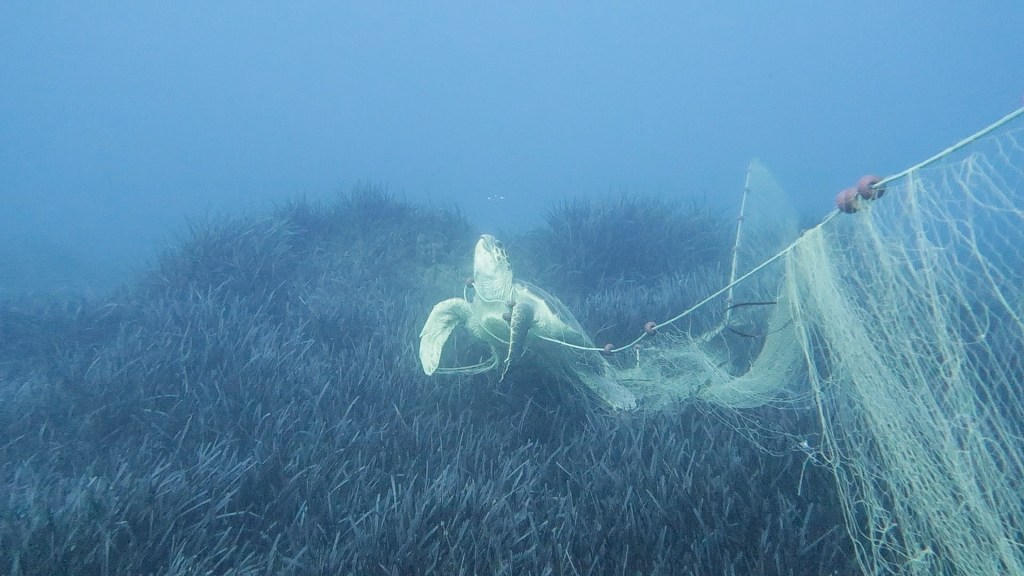
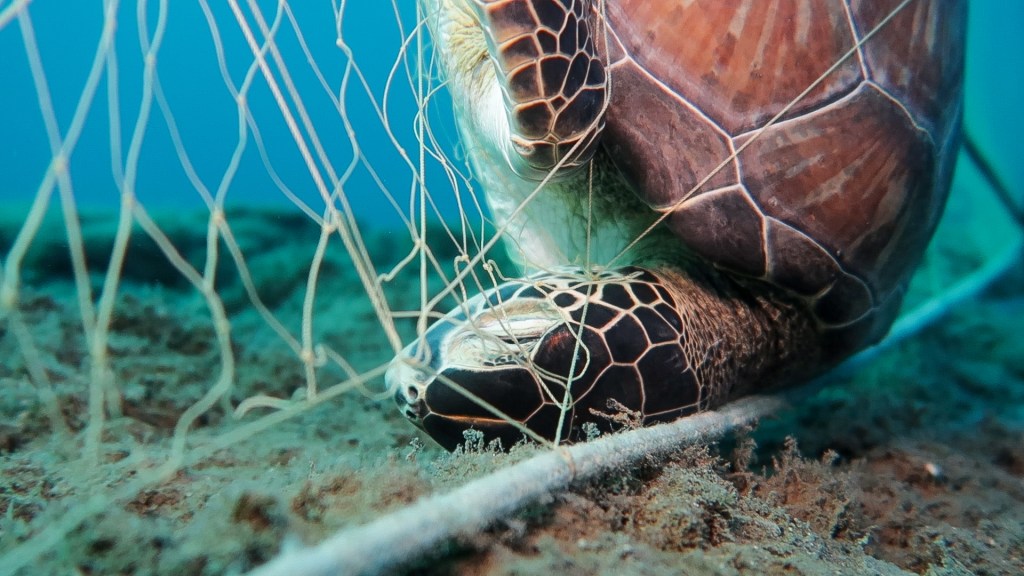
Another would be a sea turtle trapped in fishing nets, as bycatch.
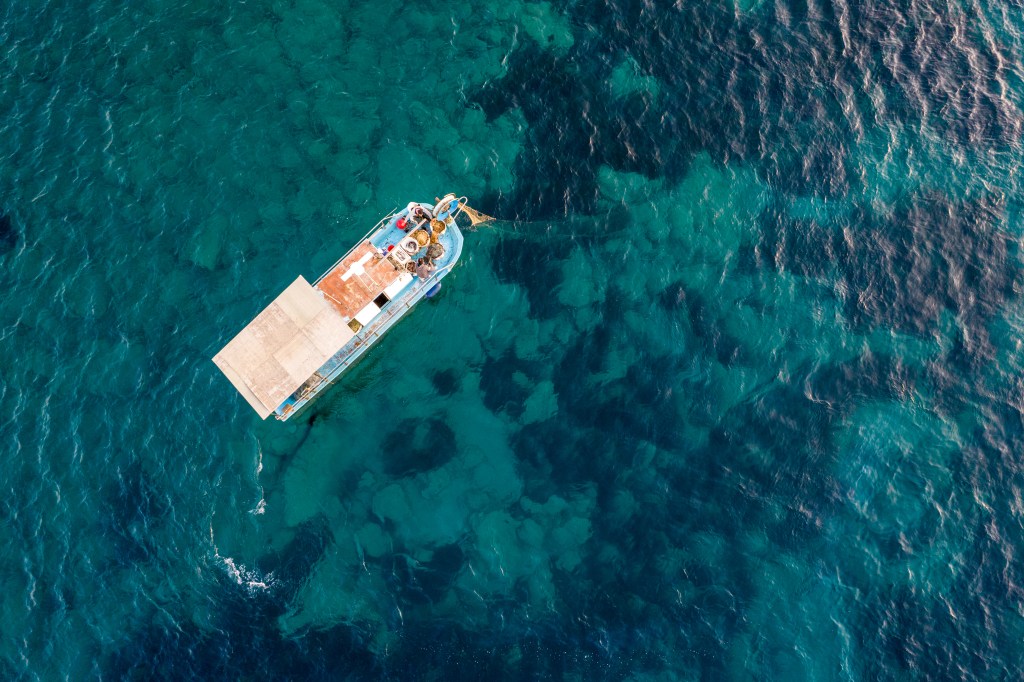
We were on a fishing boat filming sea turtles that had become entangled in fishing nets. The plan was to check whether each turtle we found was still alive. If it was, we would carefully disentangle it, bring it to the surface to recover and breathe, let it rest for a short while, and then release it back into the sea. If the turtle had already drowned, we would lower it back into the water so we could dive down and film it still caught in the net.
After lowering the first turtle, which was dead, I was filming underwater when I noticed a shape caught in the nets in the distance. I decided to swim closer to investigate. To my surprise, it was another sea turtle—and it was still alive, desperately trying to free itself from the net. We immediately alerted the crew, who pulled the turtle to the surface so it could breathe. After carefully removing the net and giving it time to recover, we released it safely back into the water. Those are the kinds of moments that stay with you forever.
What led you to create Treehouse Films?
Nature has always been part of my life. When I was a child, my parents regularly took my siblings and me to Lara Beach, where we watched sea turtle hatchlings emerge from their nests. Those experiences were magical.
My family is closely connected to the natural world. My father is an oceanographer, and my sister studied zoology. Growing up in that environment naturally shaped my interests.
At the same time, I had a friend who was passionate about filmmaking and introduced me to that world. Eventually, I realised I could combine both passions.
I studied filmmaking at Frederick University in Cyprus and later at Plymouth College of Art in the UK. During an Erasmus internship at an organisation called Salviamo L’orso in Italy in 2018, I saw how filmmaking and nature storytelling could come together. That was the turning point when I decided this was what I wanted to do professionally.
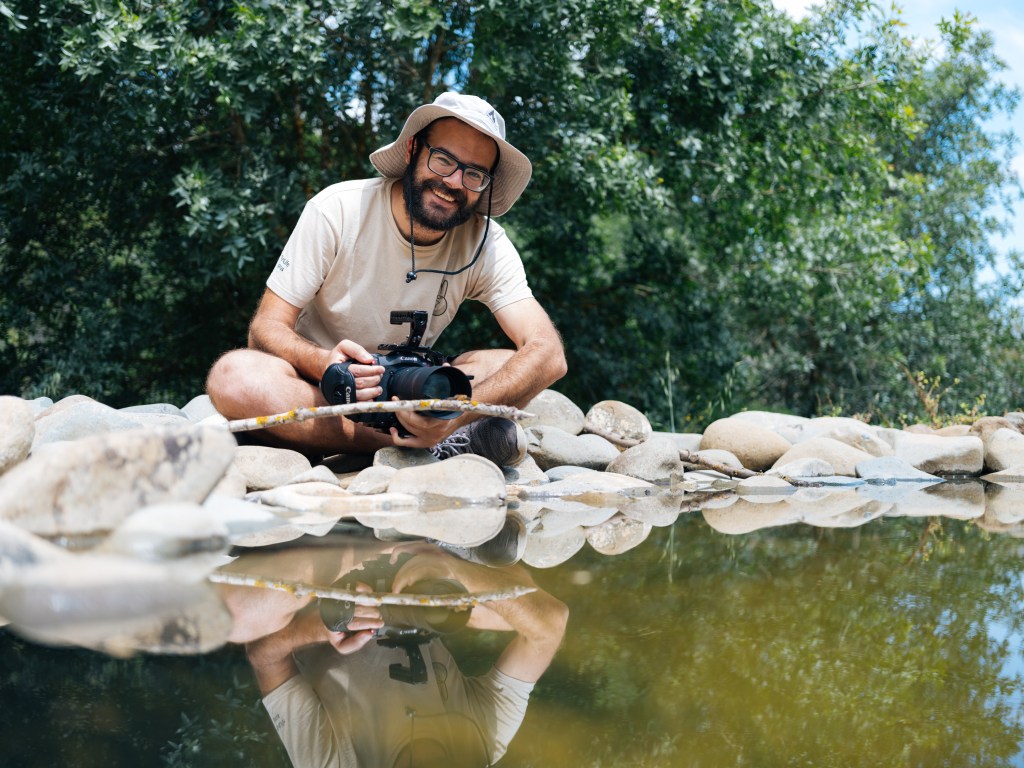
I officially founded Treehouse Films in 2021. Today, it is the only natural history production company in Cyprus, and all of my work focuses on nature, wildlife and environmental stories.
Cyprus is not usually associated with wildlife filmmaking. What stories here deserve more attention?
There are many.
Cyprus may not have tropical reefs or the large mammals people associate with wildlife documentaries, but it has unique environmental challenges and remarkable biodiversity.
One example is the issue of bycatch, which we explored in the documentary Cyprus Bycatch. Before working on that project, even I wasn’t fully aware of how significant the problem was.
Another important issue is the relationship between farming, wildlife and ecosystem balance, which we explored in another documentary.
There’s also the widespread problem of littering. Unfortunately, rubbish can be found almost everywhere—in fields, on beaches, beside roads and even in remote natural areas. It’s a serious environmental issue that affects both landscapes and wildlife.
Do you feel that your work affects your lifestyle in terms of sustainability when it comes to your personal choices?
To some extent, yes, but not in every aspect of my life.
I recycle consistently because I believe it’s the right thing to do, regardless of debates about how effective recycling systems are. Even if the system isn’t perfect, it’s still a good principle to follow.
When it comes to transportation, I still use a car. Cycling isn’t always practical in Cyprus, especially during the hotter months.
Diet is another example. I wouldn’t become vegetarian or vegan, but I am conscious of the environmental impact of food choices. For instance, I try to avoid beef more often because of its significant carbon footprint.
So yes, environmental awareness influences some decisions, even if it doesn’t completely transform every aspect of daily life.
Your documentaries have received international recognition and awards. Do they change anything for a wildlife filmmaker or the real success for you is somewhere else, measured by something else?
Film festivals are valuable because they create conversations.
When you present a documentary and discuss it with audiences, you gain a deeper understanding of the subject yourself. People ask questions, challenge your perspectives and contribute to meaningful discussions.
Awards are also encouraging. They provide recognition for the work and motivate me to continue. But they are not the ultimate goal. Success is creating real change.
If a documentary reaches people, influences public awareness, or helps policymakers better understand an issue, then it has achieved its purpose. That’s always the main objective.
What are the biggest challenges you face?
Funding is probably the biggest one.
There isn’t enough investment in conservation projects, which means fewer opportunities to produce environmental documentaries. Cyprus is also a small country, and that affects both available resources and public engagement.
In larger countries, particularly those with stronger environmental cultures, there tends to be greater support for conservation and nature storytelling. Some countries, such as New Zealand, have built strong environmental identities that support these efforts.
Wildlife filmmaking is often associated with patience. Is patience the most important quality?
Actually, I think passion is more important.
People often imagine wildlife filmmakers sitting for days waiting for something to happen, and sometimes that’s true. But when you’re genuinely passionate about what you’re doing, the waiting doesn’t feel like a burden.
The moment you finally capture the shot you’ve been hoping for makes all the effort worthwhile. Passion changes your relationship with time. When you love what you’re doing, the hours disappear.
Finally, a question I ask everyone in my interviews: if you could encourage people and businesses to take one step toward sustainability, what would it be?
Don’t take nature for granted. It’s a simple idea, but it’s important. We often assume nature will always be there, yet many species and ecosystems are under pressure. The more we appreciate and value the natural world, the more likely we are to protect it.
Interviewed by Lusine Mirzoyan
 www.natureallydone.com
Leave a comment