

Here is a short summary on headlines caught my attention around sustainability news in Cyprus.
The good news on water?
Let’s start with what sounds like genuinely good news. Cyprus’s dams were sitting at 39.3% capacity at the start of September, more than double where they were at the same point last year. A few of the smaller dams are basically full.
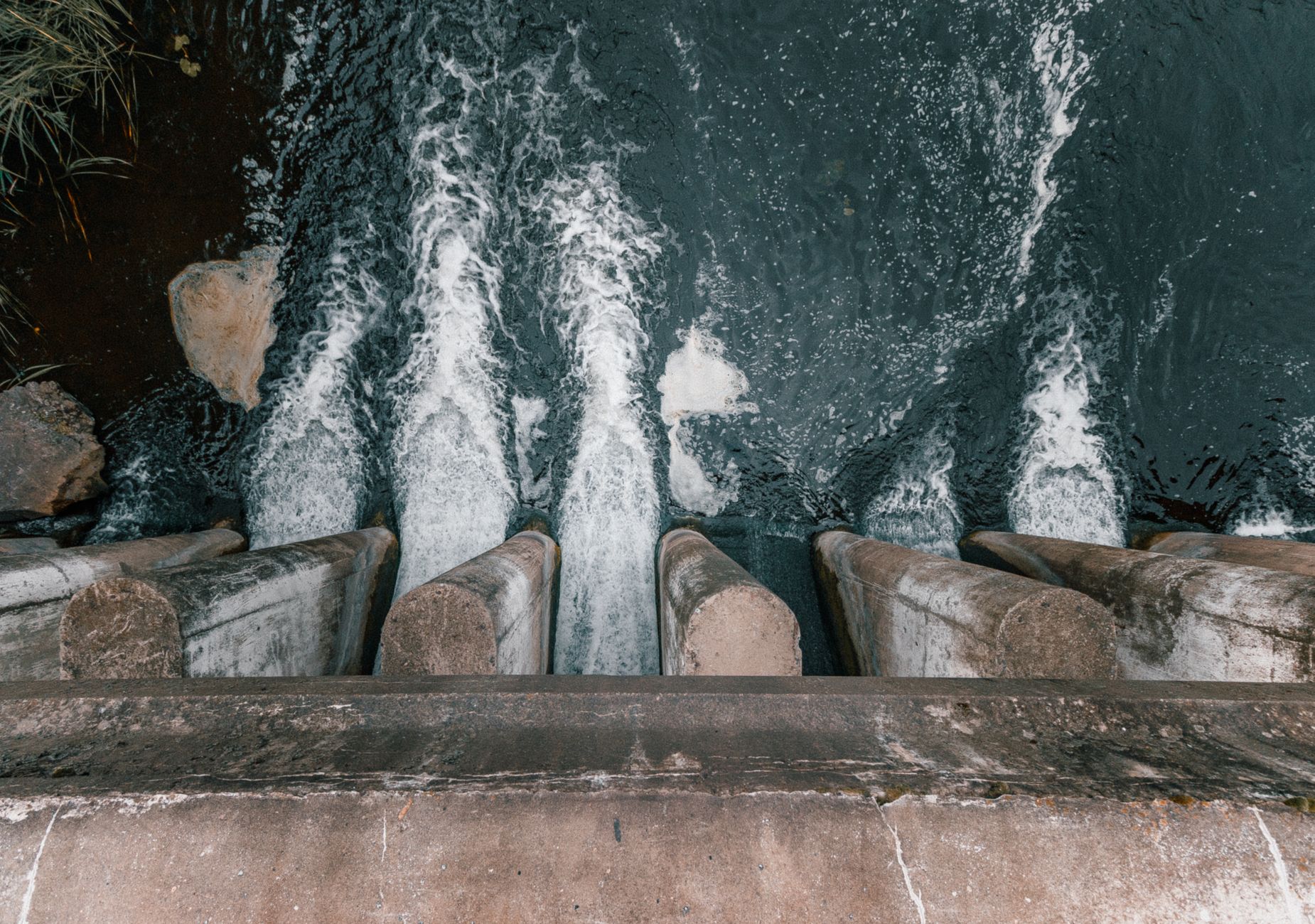
So, crisis over? Not quite. Water officials were quick to point out that this time last year was one of the worst on record, so “double” isn’t the same as “healthy.” Back in 2022, the best year in the past five, dams were at 76% in September. We’re still less than half that. And the last three months of heat have already quietly drained several million cubic metres through evaporation alone. Basically: better, not fixed. Cyprus’s water problem is structural, and one decent rainy season doesn’t undo years of drought.
Source: Philenews
Mazotos is fighting a new desalination plant
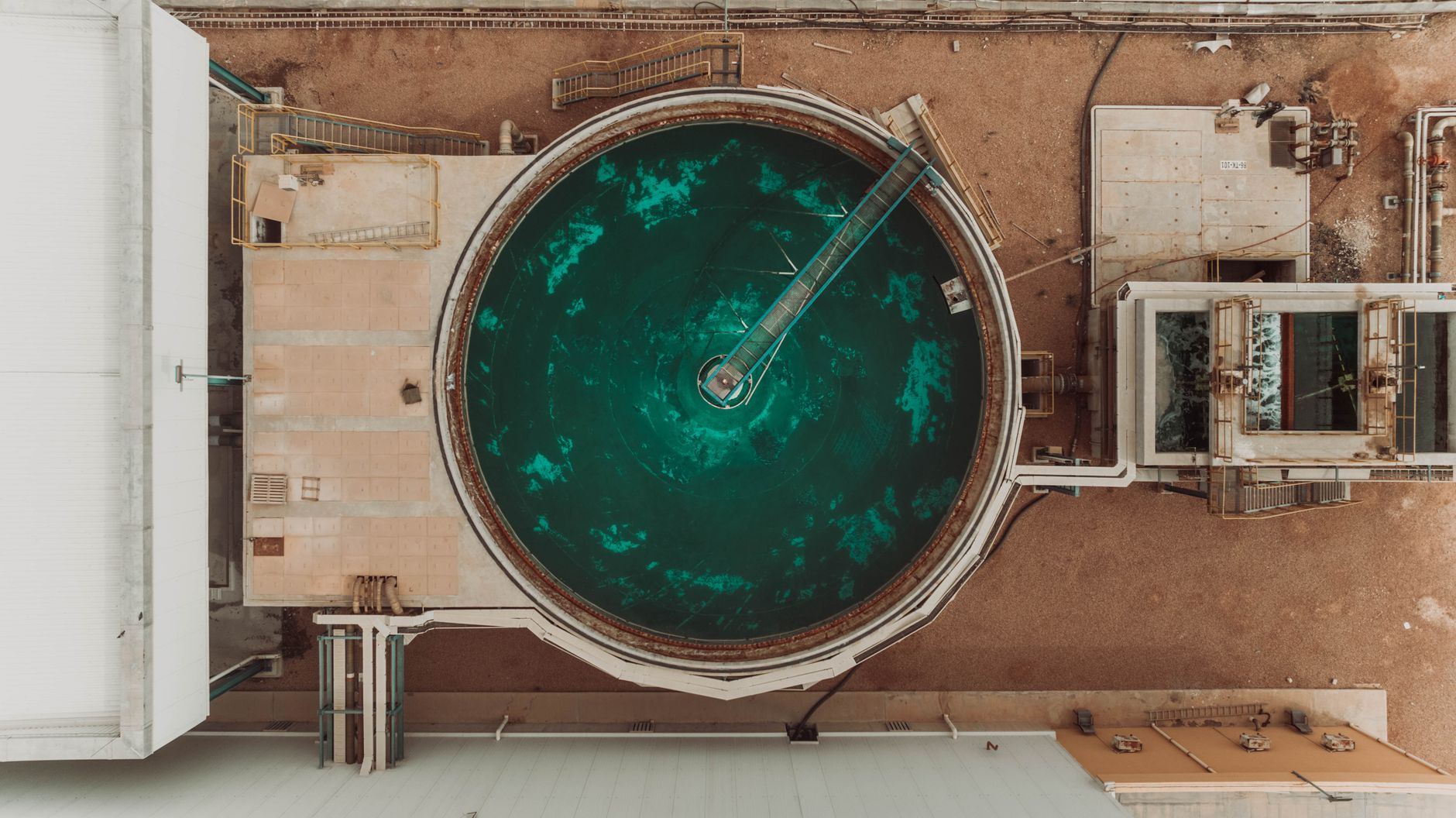
There is an opinion that Cyprus needs more desalination to secure its water supply but building it somewhere always means building it somewhere specific and the people who live there don’t always agree it’s a good idea.
Residents of Mazotos, on the south coast, want the government to scrap its decision to build a desalination plant on their coastline. They say there was no public consultation, no proper environmental study, and that the site sits near protected Posidonia seagrass meadows and coral reefs that a heavy industrial installation could damage. Around 350 residents have joined a “Save the Coast” group over it, and this week they took their case directly to the Agriculture Minister, who’s said he’ll consider it.
Source: Cyprus Mail
Cyprus has a lot of solar panels now but a lot of that power is going to waste
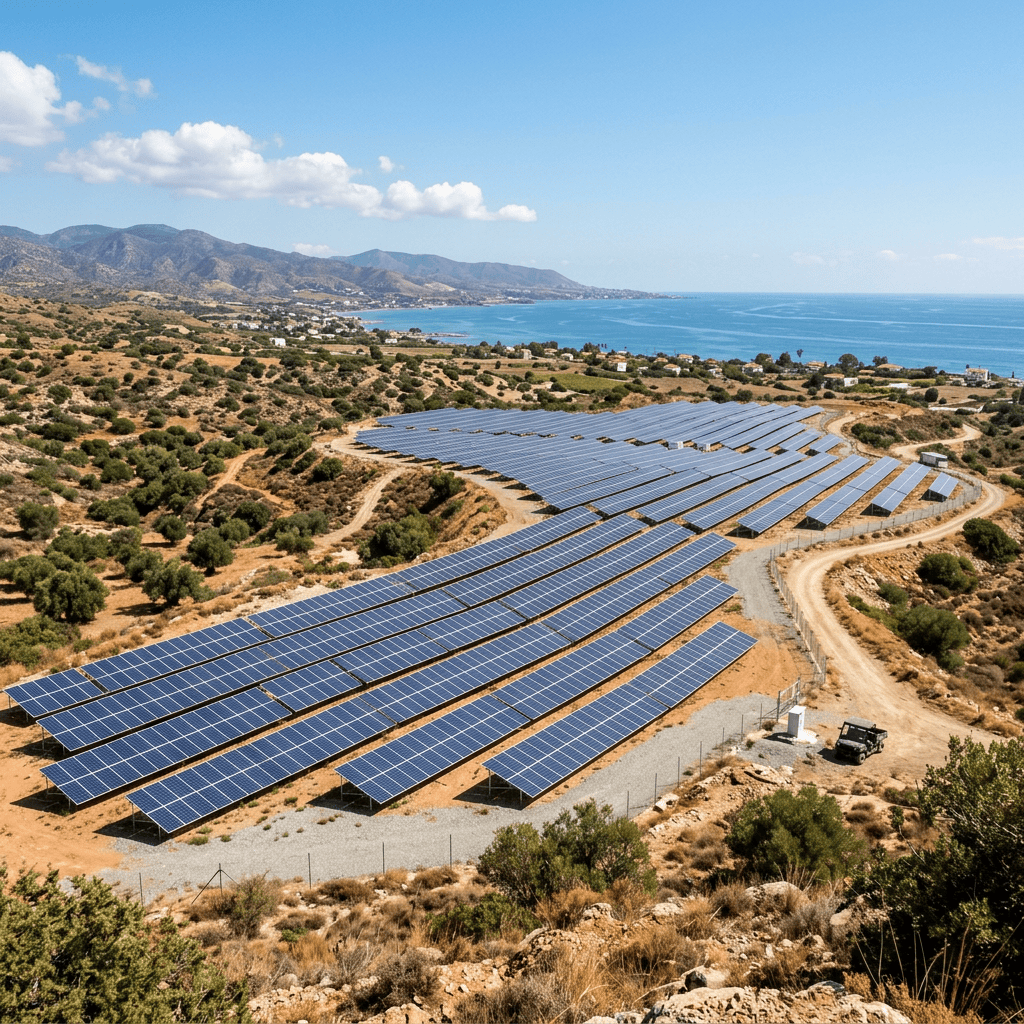
Cyprus has quietly become one of the more solar-heavy places in Europe, passing 1,055 MW of installed capacity. However, consumers are still paying high electricity prices, raising questions about where the financial benefits of cheap solar energy are going.
Dr. Charles Ellinas, a Senior Fellow of the Global Energy Center of the Atlantic Council, explains in his article that part of the problem is that solar electricity is sold through several different systems. Households and businesses may use their electricity directly, while other producers sell power through regulated tariffs, private agreements or the competitive electricity market. Prices in private contracts between renewable-energy producers and suppliers are generally not public, making it difficult to determine how profits are distributed.
Some commercial solar parks—particularly older projects built at lower cost—may be earning high returns. However, focusing only on their profits could overlook costs and earnings elsewhere in the electricity system, including supplier margins, network charges, fuel purchases and carbon-emission allowances.
Another major issue is curtailment. This happens when solar installations are instructed to reduce or stop production because the electricity grid cannot accept all the power available. Around 306 gigawatt-hours of renewable electricity were curtailed in 2025, an increase of 83 per cent from the previous year. The situation has reportedly worsened in 2026.
As a result, Cyprus is adding more low-cost solar capacity while preventing some of that electricity from replacing expensive oil-fired generation.
Battery storage could move surplus daytime electricity into the evening, although batteries alone cannot guarantee supply during long periods of weak renewable production. Cyprus will still require reliable conventional generation, together with stronger electricity networks, better demand management and potentially an international electricity interconnector.
The article calls for an independent audit of the entire electricity sector. The audit should establish who earns what, why renewable electricity is being wasted and what changes are needed to ensure that the savings from solar power finally reach households and businesses.
Source: Cyprus Mail
A new EU rule means companies can’t just slap “eco-friendly” on things anymore

If you run a business, sell a product, or work in marketing, pay attention. From September 27, a new EU law changes what companies are allowed to say about how “green” their products are.
Words like “eco-friendly,” “sustainable” or “green” can no longer just be printed on packaging or used in ads without solid proof behind them. Businesses are expected to make every reasonable effort to comply with the new requirements by 27 September 2026. Where necessary and practical, businesses should take appropriate corrective action. This may include updating statements made online or in advertising, as well as modifying product packaging.
Source: Cyprus Bar Association
Cyprus and Croatia are joining forces on ocean-based business
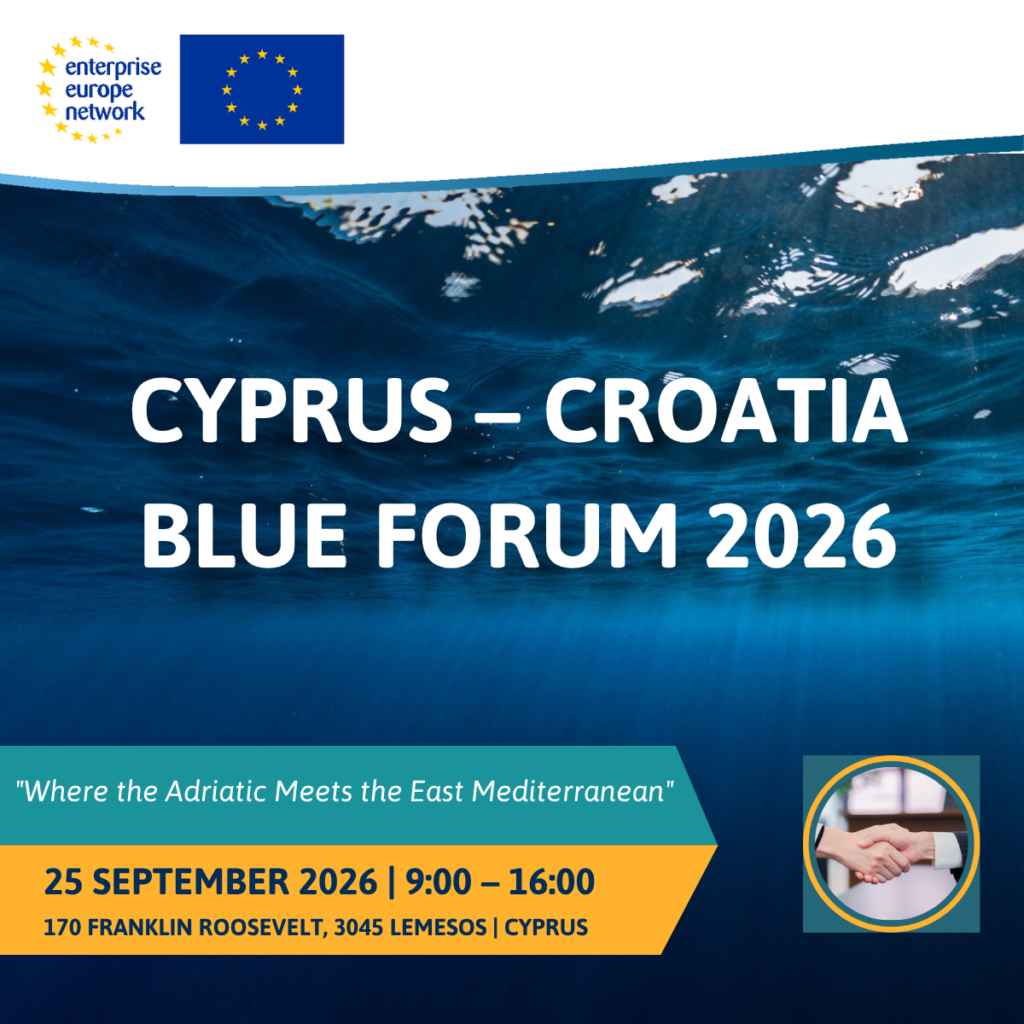
Limassol is hosting a Cyprus–Croatia business forum on September 25, focused entirely on the “blue economy” — industries built around the sea, from shipping tech to marine research. It’s backed by EU funding through the Horizon Europe programme, and the goal is to get companies from both countries collaborating rather than competing.
It’s a good reminder that Cyprus’s sustainability story isn’t only about droughts and solar panels. There’s a real push happening around the island’s maritime sector too.
Subscribe to be notified every time we publish a new article
 www.natureallydone.com
Leave a comment