
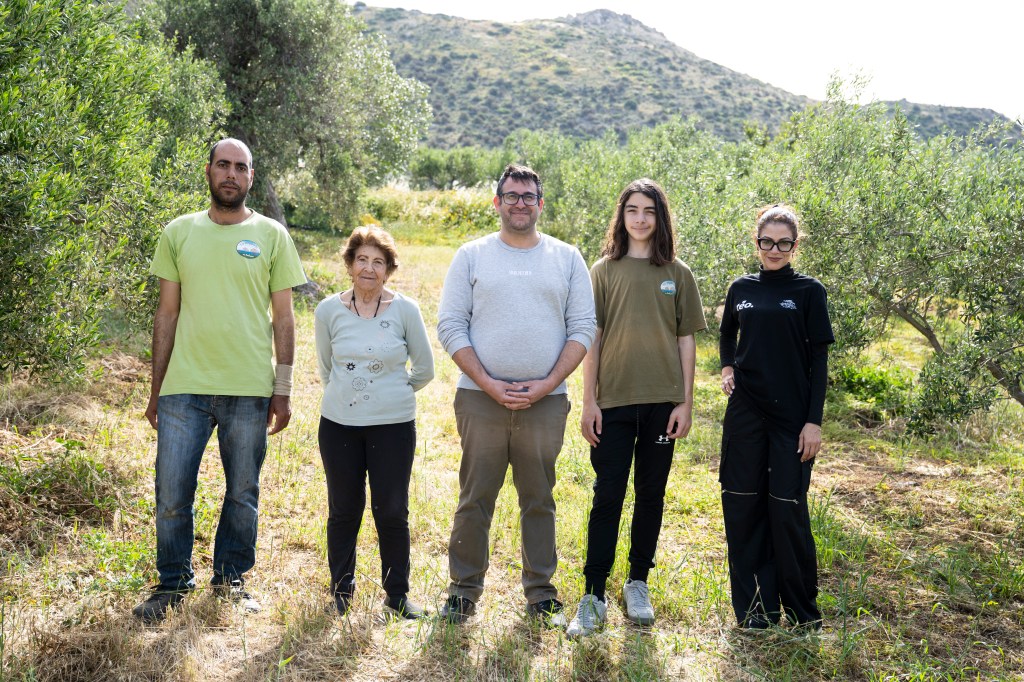
When mice chewed through kilometres of irrigation pipe at To Pervoli tou Theodorou, Charis Christoforou did not reach for poison. He put out water. The solution is a neat expression of the mechanical engineer turned organic farmer’s wider philosophy: observe what nature is doing, understand what it needs and design the farm around the answer.
Since taking over his family’s olive groves in Maroni in 2015, Charis has worked to turn sandy, eroded land into a more resilient ecosystem using ground cover, minimal soil disturbance, natural predators and closely monitored irrigation. Named among the Top 50 Farmers 2026, he discusses in this interview the return of biodiversity, the regenerative practices, the effect of climate change, and why supporting local producers is inseparable from protecting Cyprus’s agricultural future.
Mice were chewing through your irrigation pipes. Instead of using chemicals to keep them away, you tried something else. What did you do?
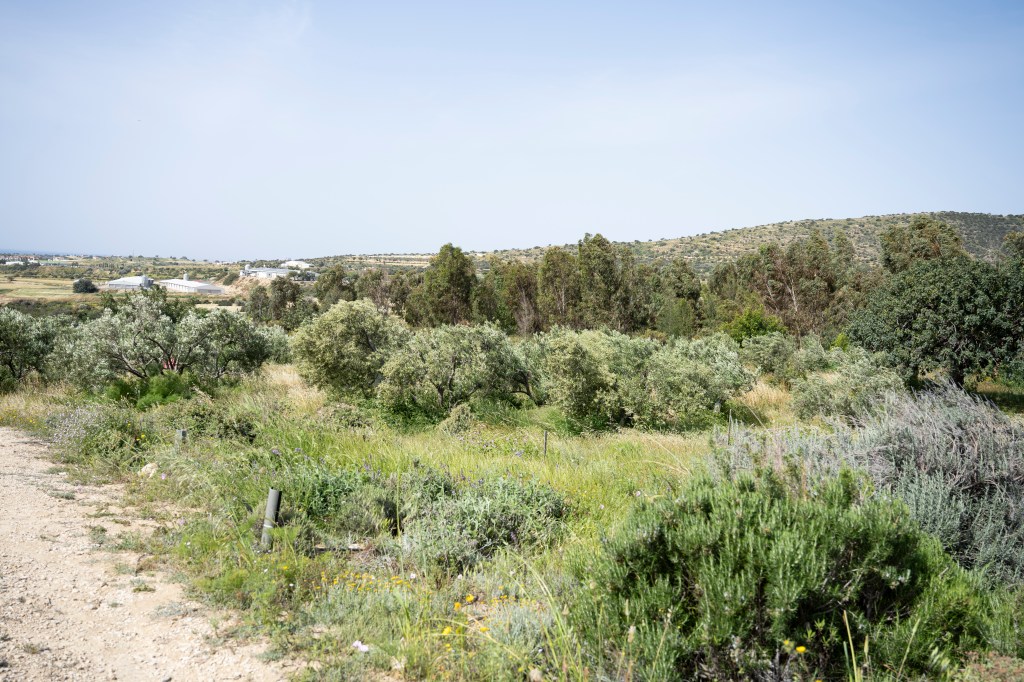
Do you see the pond there? It holds water for the mice and snakes because they were biting the pipes. Every year, we were replacing kilometres of pipe. We asked ourselves, ‘Where are we going with this every year? What do they want?’ They want water, so we gave them water. We placed containers around the plot, and we now do the same on all three plots we manage. Across the farm, the approach is consistent: provide water for wildlife, avoid tilling, apply mineral dust, use our own traps and do not burn the vegetation.
You trained as a mechanical engineer. Has that background helped you in organic farming?
We use a lot of mechanical engineering, especially in the piping system, water flow, gradients and related work. But observation has helped too. Before I introduced these measures, I watered my trees and they were always thirsty. Trees on a nearby natural plot received no irrigation or pruning, yet they carried more olives than mine. I realised that I was doing something wrong and that nature was doing something better. Nature does not till, and it does not rely on a single variety. That is why we are changing the farm. We plant herbs, carob trees and other species. The herbs cover the soil, slow water runoff and leave more moisture available to the olive trees.
That reflects a wider idea of working with nature rather than against it. What other practices have you introduced?
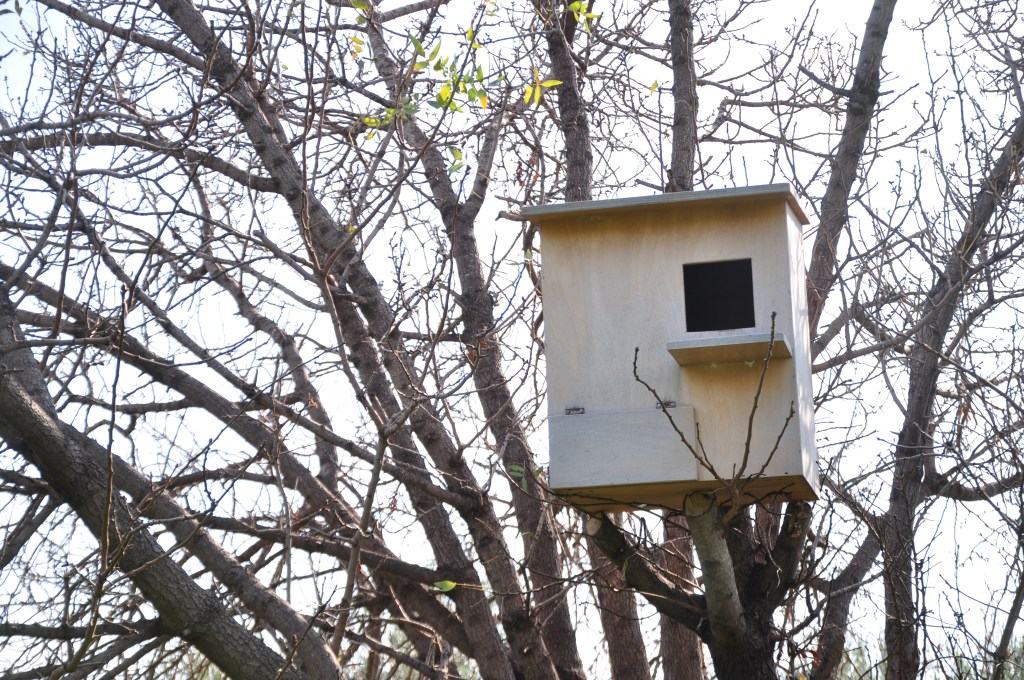
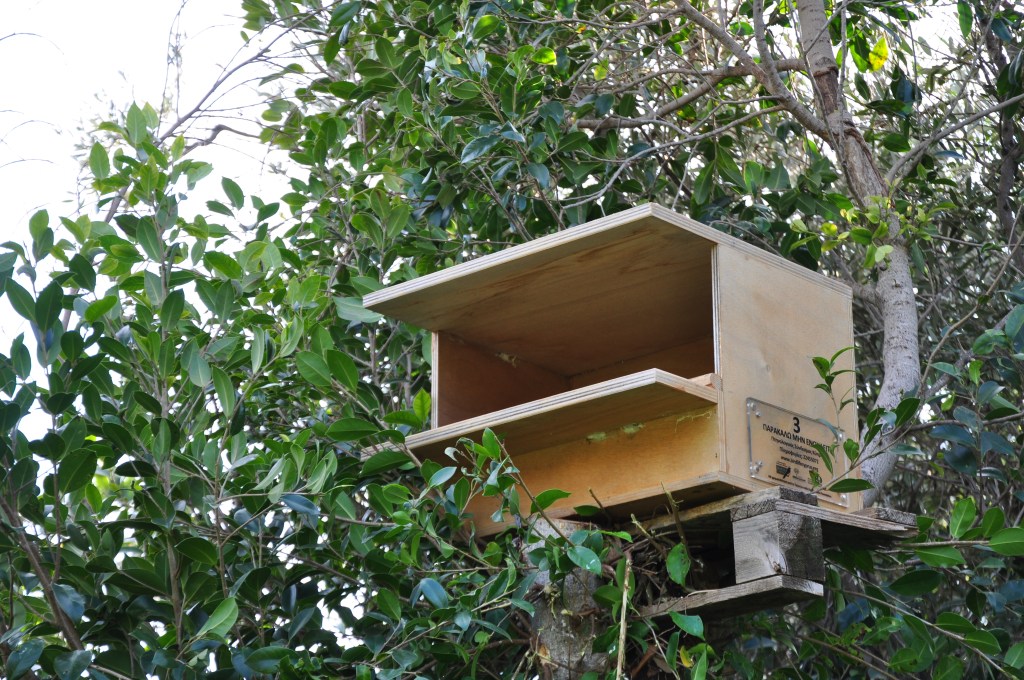
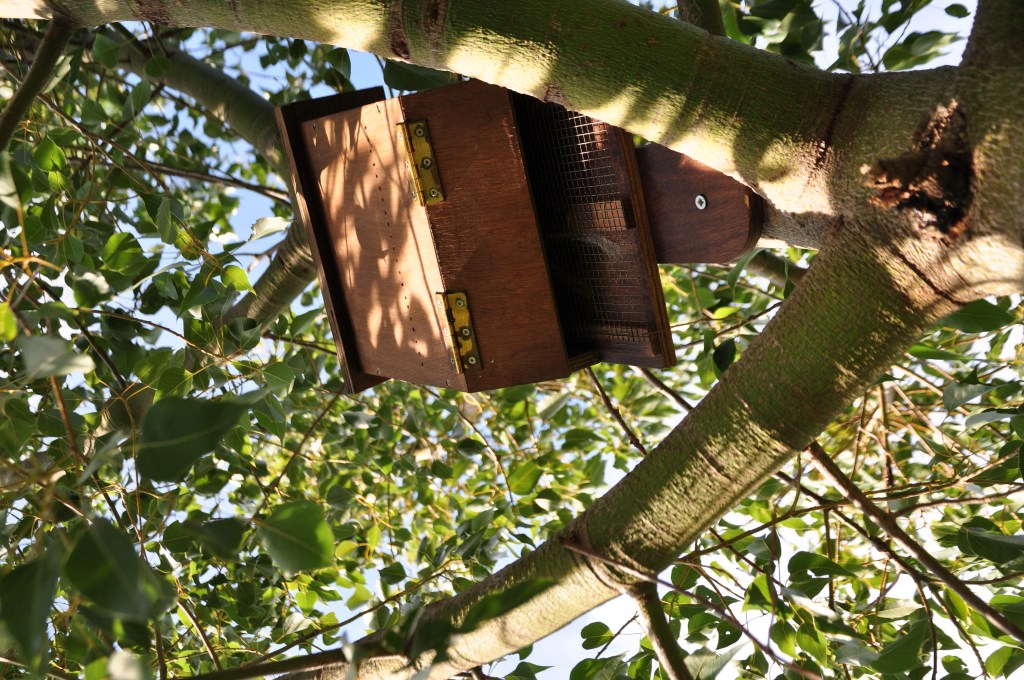
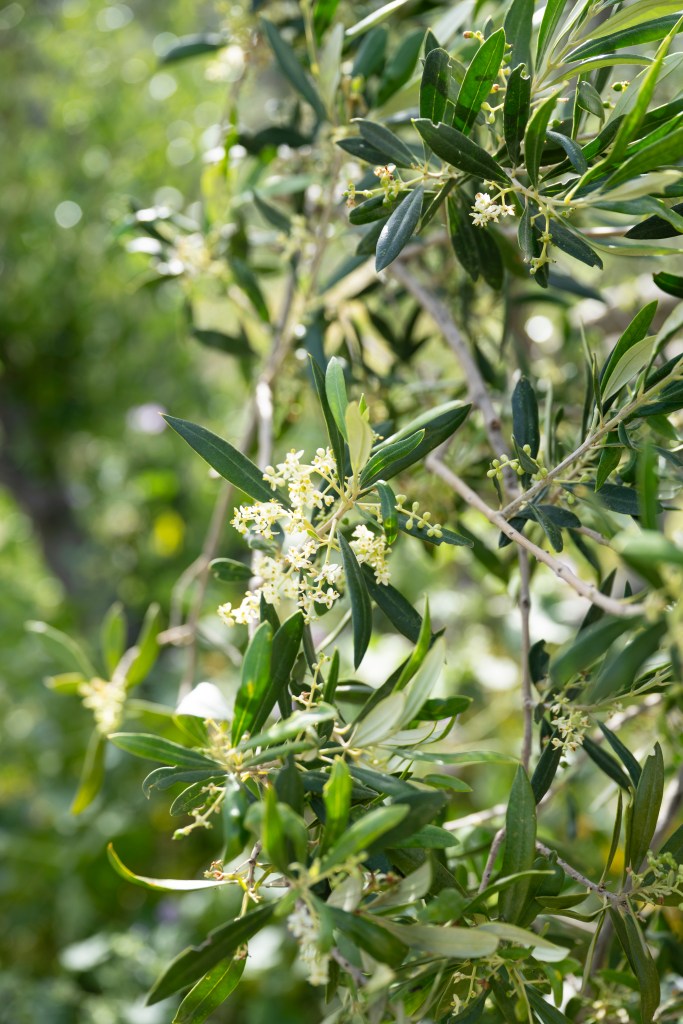
We use several natural methods. We install bat houses because bats help control mosquitoes, and we encourage falcons and other birds of prey. We also have owl boxes from BirdLife Cyprus. The organisation visits every year to check them, and we see a significant effect because the owls eat mice. These natural predators remove the need for poison or chemical intervention. We also use our own insect traps, apply mineral dust and put a natural coating on the trees. The coating makes them less attractive to insects and protects them from excessive heat, so they need less water.
Have these practices had a visible effect on biodiversity?
Yes. We found a plant that people here used to fry with olive oil and eggs. I remembered it from childhood, but it had disappeared from this area. Last year, we found one growing here again. It is coming back, and that is a very positive sign.
Why should people buy organic olive oil? Is it mainly about health, quality or the environment?
Organic means that we do not spray synthetic chemicals or use synthetic fertilisers. Certification also provides traceability, so the customer knows how the product was produced. Chemicals applied to the tree or soil can be absorbed and reach the fruit and, eventually, the olive oil. One reason to buy organic is health; another is that organic farming protects the environment and biodiversity. That is why the European Union encourages it.
When consumers see an olive oil labelled ‘organic’, what should they check?
It must carry the European Union organic logo—the leaf made from stars—in green and white or black and white. It must also show the code of the certification body. Without those details, it is not certified organic. There are penalties for using the word ‘organic’ without certification, and the marketing rules are now very strict.
Why is organic olive oil usually more expensive?
We produce less and do much more work by hand. We cannot spray once to kill everything; we have to apply mineral dust more frequently, which requires more labour. Products approved for organic fertilisation and tree care can cost four times as much as conventional products, so our production costs are higher.
What do terms such as ‘extra virgin’ and ‘cold extracted’ mean, and what matters most when buying olive oil?
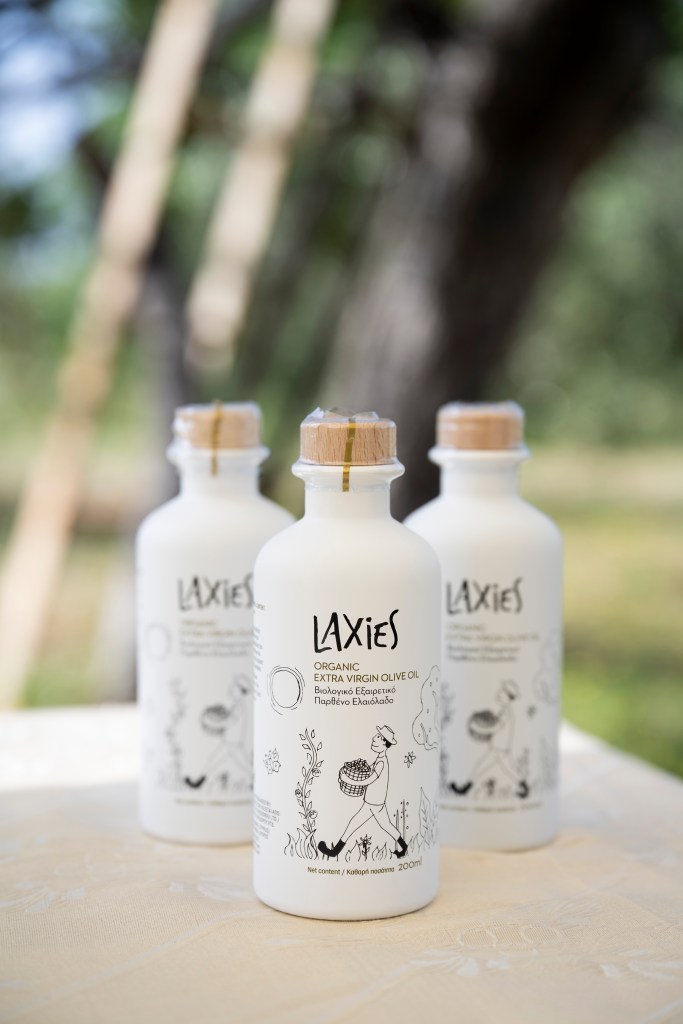
Olive oil has official categories. Extra virgin olive oil has free acidity of no more than 0.8 per cent and must also meet other chemical and sensory standards. Then there is virgin olive oil and lower categories. For a salad, I would choose extra virgin. Cold extraction helps preserve compounds such as polyphenols. When you taste the oil, it should have aroma, bitterness and flavours that recall fresh fruit or green grass.
Does colour tell us anything about quality?
No. Colour does not define the quality of olive oil, and acidity alone is not enough either. If one oil has 0.2 percent acidity and another 0.7 percent, both can qualify as extra virgin. That does not automatically make the oil with 0.7 percent acidity worse.
So do we have to taste an oil to understand its quality?
Yes. It is about taste and aroma. Ideally, shops would let people taste before buying. In Ayia Napa, we work with a retailer that offers samples, and people can also visit farms. When the weather is not too hot, we offer tours that explain our environmental measures, their effect on the farm and how they reduce water use. Visitors then taste three olive oils and describe the aromas and flavours they notice. We include educational activities for children too. I have also led tastings in Lithuania, where we export, and some children there tried olive oil for the first time. A good olive oil can improve both the quality and the flavour of a meal.
Cyprus is facing hotter summers and more drought. What changes are you seeing, and do regenerative practices help?
Apart from this year, when we had a lot of rain, the previous three years were very dry. The trees produced very little fruit, and we lost many herbs, which we have started replanting. Regenerative agriculture helps because it reduces our need for fertiliser. When we cut the grass and leave it as ground cover, it helps the soil retain moisture. Microorganisms break down dry grass and fallen leaves, turning them into natural fertiliser, while more rainwater stays in the soil. These measures are helping us survive. In Cyprus, with this climate, we all need to adopt practices like these.
Are you using technology to manage water more precisely?
We have a small monitoring station that records air temperature and humidity every hour, along with soil moisture at ten-centimetre intervals. The readings tell us how much water to provide. We aim to keep soil moisture at about 30 per cent at a depth of 30 centimetres, and the data helps us a great deal.
You have also taken part in European projects. What have they brought to the farm?
We are in the second year of the project AWARE that supports the employment of women with disabilities and others who face barriers to work. In previous projects, we provided samples, hosted visits and changed the way we irrigate. Each of these experiences has helped us adapt and survive.
What are the main challenges now, both on the farm and in the wider business?
Early-harvest olive oil is expensive to make. It takes many kilograms of olives, and we filter the oil, carry out chemical analysis and carefully select which trees to harvest. Yet social media is full of products described as ‘early harvest’ simply because the producer picked green olives. We use very low temperatures and no added heat. Someone else might take green olives to a mill, leave them in malaxation for an hour at 40°C and still market the oil as early harvest. People compare that price with ours and conclude that ours is too expensive.
Misinformation is a challenge, so whenever we have the opportunity, we explain our process and point to our awards. The biggest challenge, however, is climate change. Without rain, we do not have enough production. This year’s rain created fresh shoots that should bear fruit next year, but heavy dust is another threat: if it arrives while the trees are blossoming, it can block and kill the flowers and leave us without a crop.
You work with restaurants and other businesses in Cyprus. Is expanding those partnerships a priority, and does hospitality do enough to support local producers?
We already supply some businesses, and we want to increase the number of HORECA partners. Someone who tastes our products in a restaurant may become a future customer. Olive oil from Italy is not automatically better than olive oil from Cyprus. At an exhibition in Riga last September, I was the only Cypriot producer among five or six Italian olive-oil companies. Some of them tasted our oil and sent the others over because they could not believe Cyprus could produce that level of quality. I tasted their oils too, and only their premium ranges were comparable.
Besides olive oil, what else do you produce?
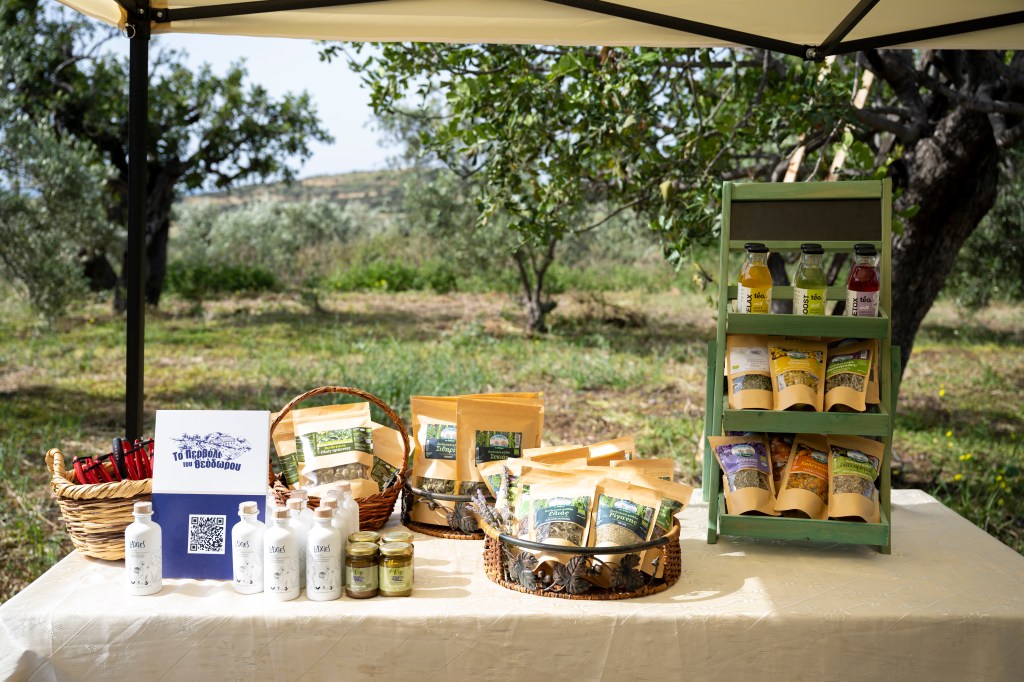
We grow around 22 herbs. The soil here is about 90 per cent sand, so crops are not easy to establish, but over the years regenerative practices have helped us improve it. We grow herbs on two plots, dry and package them for cooking or infusions, and make tea from rose geranium. We also produce green and black table olives, as well as green and black olive paste. We work with three or four other organic producers who follow regenerative principles. We buy their olives and make the oil ourselves because we want to control the quality and cannot meet demand from our own harvest alone. We pay them more than they might receive if they produced their own oil. That can make our products a little more expensive, but it also supports four other families.
Where can people buy your products?
They are available through selected organic and speciality retailers in Cyprus. In organic shops in Limassol and Nicosia such as Honey and Spice, Green Shop Cyprus, Taste Of Life in Ayia Napa, at the pharmacy at Ayia Napa Marina. Customers can order directly through our website, topervoli.com.
What are your plans for the farm tours and for the business more broadly?
We plan to restart the tours in September. The 45-minute experience takes place on land that has been in our family for more than 200 years. We explain how we manage the farm and the environmental measures we use. Visitors then harvest herbs with scissors and finish with tastings of olive oil and olive paste. We also want to increase production and develop carob products. In the longer term, we would like to build a processing unit, including an olive mill, to support our own needs. That will require time, design work, licensing and substantial funding.
Finally, a question I ask everyone in my interviews. If you could encourage consumers and businesses to take one action towards sustainability, what would it be?
To consumers I would say try to support local producers. We need that support. To the farmers I would recommend make the transition to regenerative agriculture and sustainability. If we do not change, we will face environmental problems, farms that cannot endure and serious financial pressure. Buying local helps producers make that transformation.
Interviewed by Lusine Mirzoyan
 www.natureallydone.com
Leave a comment