
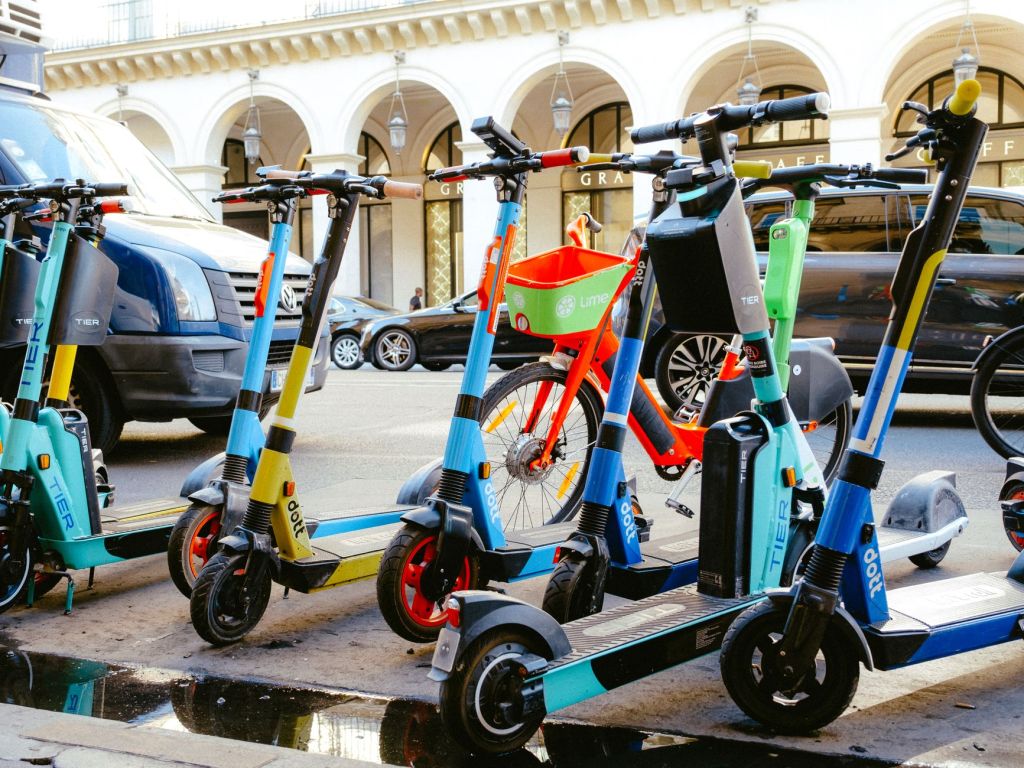
Electric scooters look made for Cyprus. They are small, quiet and cheap to run. For short urban journeys, they can replace a car, reduce traffic and take up little parking space. That matters on an island where city streets are crowded and the government says sustainable mobility should bring cleaner air, less noise and more transport choice.
But can we call a transport option “sustainable” if people can hardly use it legally?
Cyprus tightened its e-scooter law in May 2026. Riders must be at least 17, up from 14, while scooters must meet European safety standards. The speed threshold for penalties rose from 20 km/h to 25 km/h. Helmets and safety equipment are required.
E-scooters may be used only on cycle paths and roads with a limit of 30 km/h or less. They are not allowed on ordinary faster roads, and they cannot simply move onto the pavement. In many Cypriot neighbourhoods, cycle lanes are short, disconnected or absent. A legal journey can therefore end at the next junction.
Enforcement is no longer theoretical. Police reported 1,042 charges during two nationwide campaigns in late July and early August 2026. Of the 526 charges in the second campaign, 219 were for riding in prohibited areas, 116 for riding without a helmet and 86 for missing fluorescent clothing. This pattern asks an uncomfortable question: are more riders behaving irresponsibly, or does the road network leave them with too few practical legal routes?
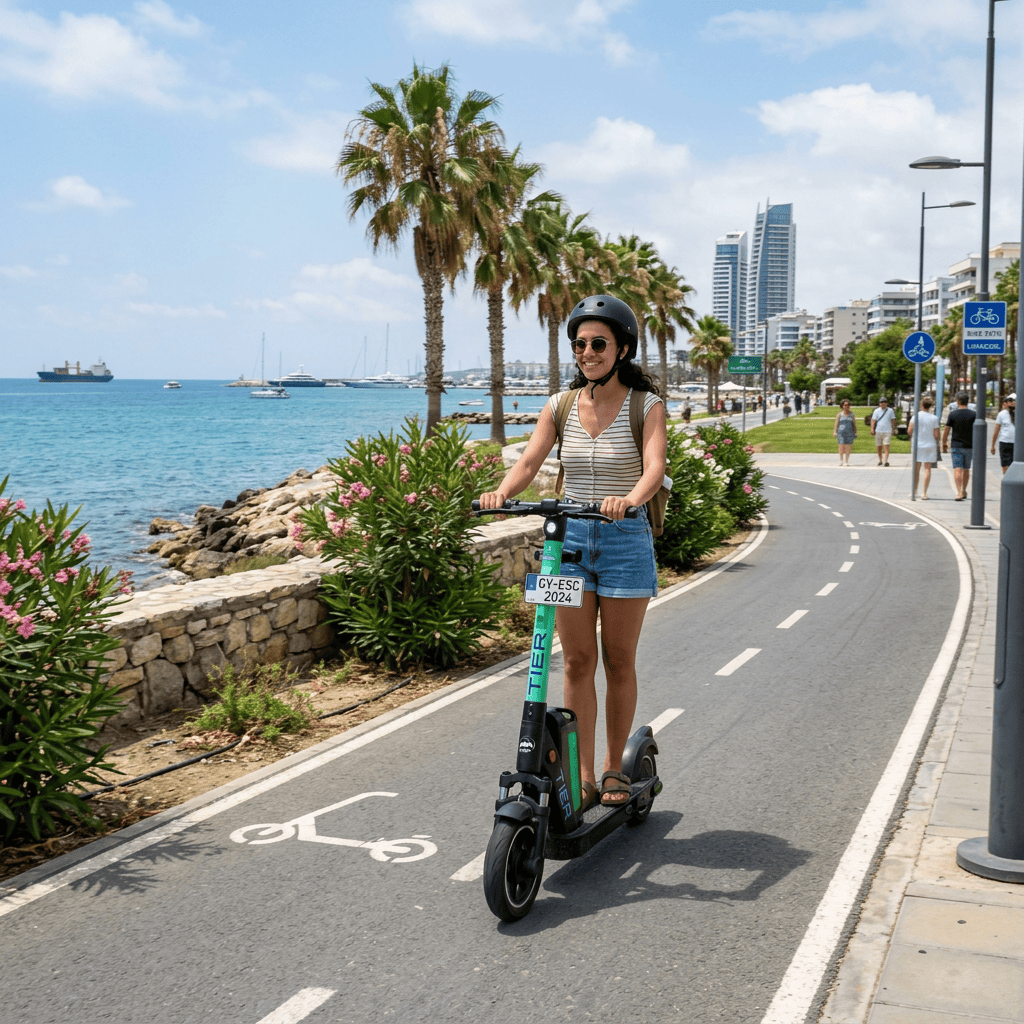
The fines are serious for a vehicle often chosen because it is affordable. Current fixed penalties reported by Phileleftheros include €85 for underage use, speeding, ignoring traffic signals or riding in a prohibited area, and €50 for illegal parking or not wearing a helmet.
There may soon be an even stronger punishment. A draft decree announced in August proposes impounding scooters for 30 to 90 days for riding in prohibited areas, underage use or using a device capable of exceeding 25 km/h.
From my perspective, scooters are not the enemy. The problem is asking cars, scooters, bicycles and pedestrians to compete for space designed mainly for cars. Safety rules are necessary: small scooter wheels struggle with potholes, riders can be difficult to see, and careless pavement riding endangers pedestrians. But fining someone for entering a faster road is fair only when a continuous, safe alternative exists.
An e-scooter is green mainly when it replaces a car journey. If the legal route disappears halfway, the car wins again.
What solutions could help? What do you think?
 www.natureallydone.com
Leave a comment