
Sometimes a week’s headlines seem completely unrelated. A new shopping mall in Limassol. More rubbish. A new school platform. A European law about unsold clothes. But look a little closer and they all tell the same story.
They remind us that the future isn’t shaped by one big decision. It’s shaped by hundreds of small ones made every day by governments, businesses and all of us. Where we build. What we buy. What we throw away. What we teach our children.
Here is the roundup on news in sustainability that caught my attention in Cyprus.
The New Limassol Mall: More Than Just Another Shopping Centre
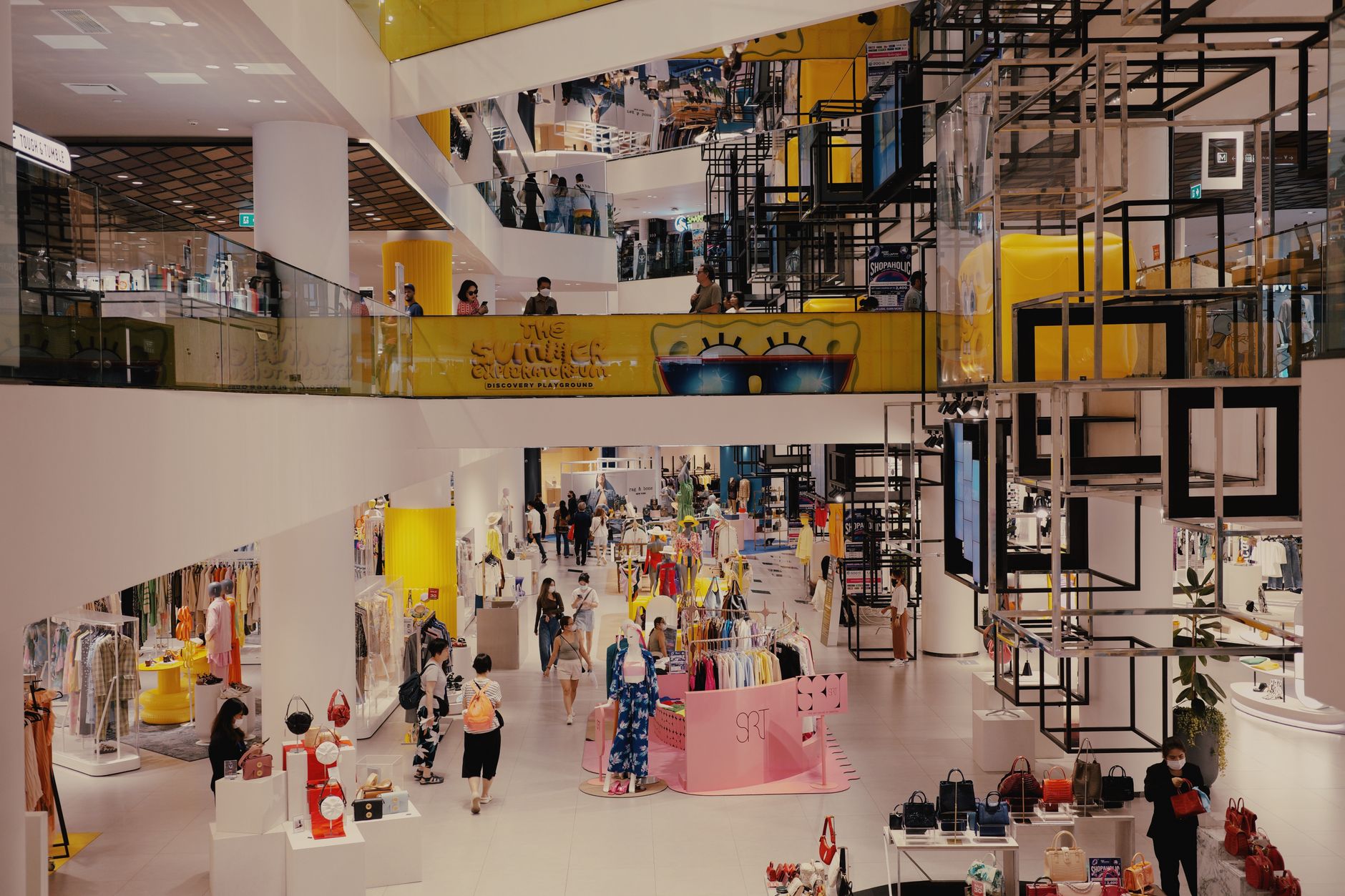
The government’s decision to approve the proposed Limassol Mall in the Agios Athanasios industrial area has already sparked plenty of debate.
The Green Party has criticised the decision, arguing that it ignores good planning principles and the concerns raised by local authorities. Whether you’re excited about a new shopping centre or worried about what it could mean, one thing is certain. Projects like this don’t just change a piece of land. They change the way a city works.
A development of this size could bring jobs and investment, but it could also mean more traffic, more pollution and even more pressure on local businesses that are already trying to survive.
These are the kinds of decisions that stay with a city for decades. That’s why people want answers. Was every option properly considered? Will the benefits really outweigh the costs? Could it have been done differently?
What are your thoughts on this?
Source: Cyprus Greens
We Really Need to Talk About Our Waste
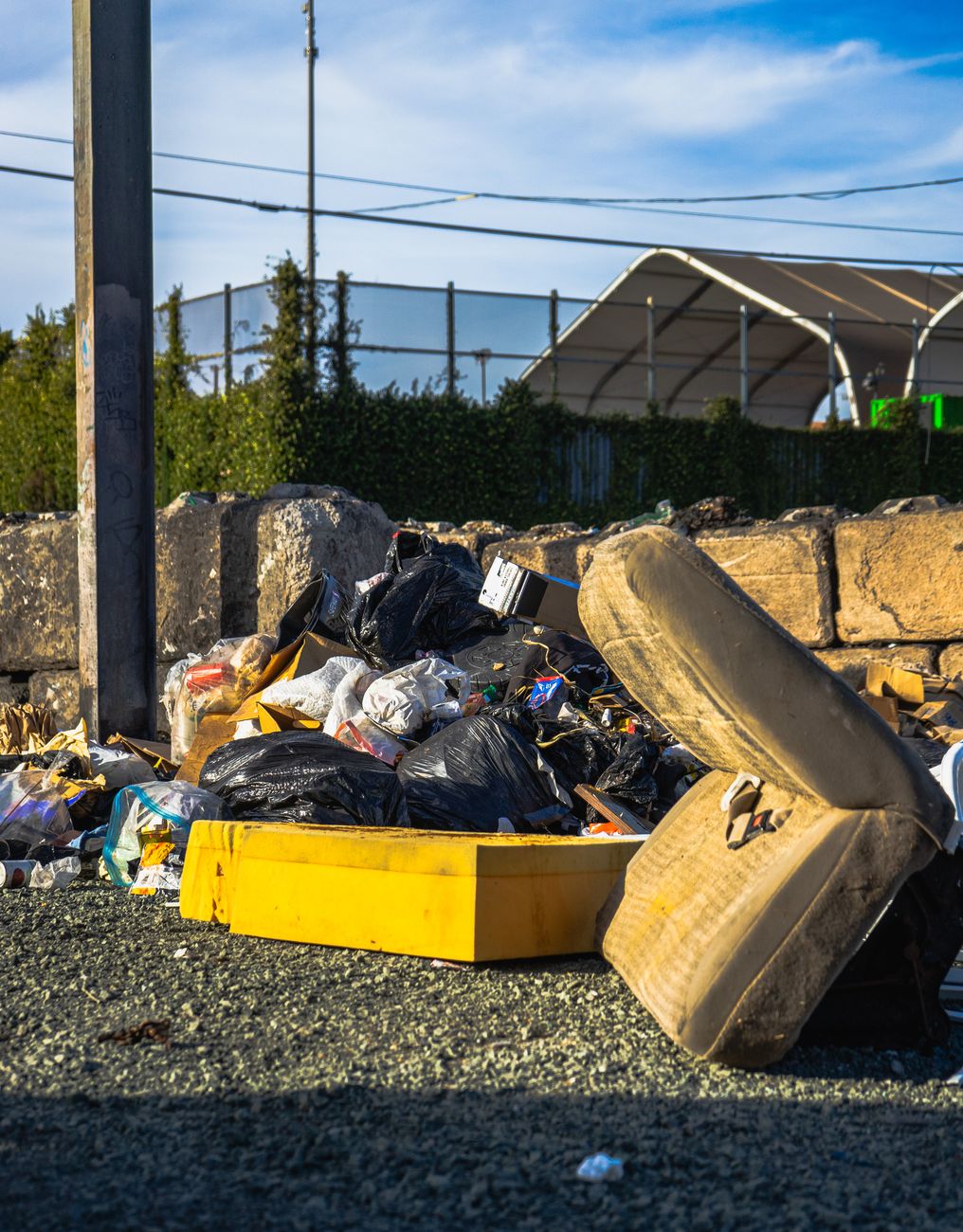
Another story that caught my attention this week wasn’t really a surprise, but it was still disappointing.
Cyprus is once again among the countries producing the most municipal waste per person in the European Union. We now rank fourth, and the amount of waste we generate is still increasing. Municipal waste in Cyprus increased by 5.6 per cent last year, rising from 633,000 tonnes in 2023 to 669,000 tonnes in 2024.
Of the 566,000 tonnes of waste that received final treatment, 78.5 per cent was disposed of at waste management centres and landfills, 14.2 per cent was recycled, 4.4 per cent was composted and 2.9 per cent was used for energy recovery.
It’s easy to point fingers at governments, supermarkets or businesses, but the truth is that this is something we’re all part of. How often do we buy things we don’t really need? How much food ends up in the bin? How many items do we replace instead of repairing?
Source: Cyprus Mail and Politis
Europe Is Finally Tackling Fashion Waste
There was some good news from the European Union this week.
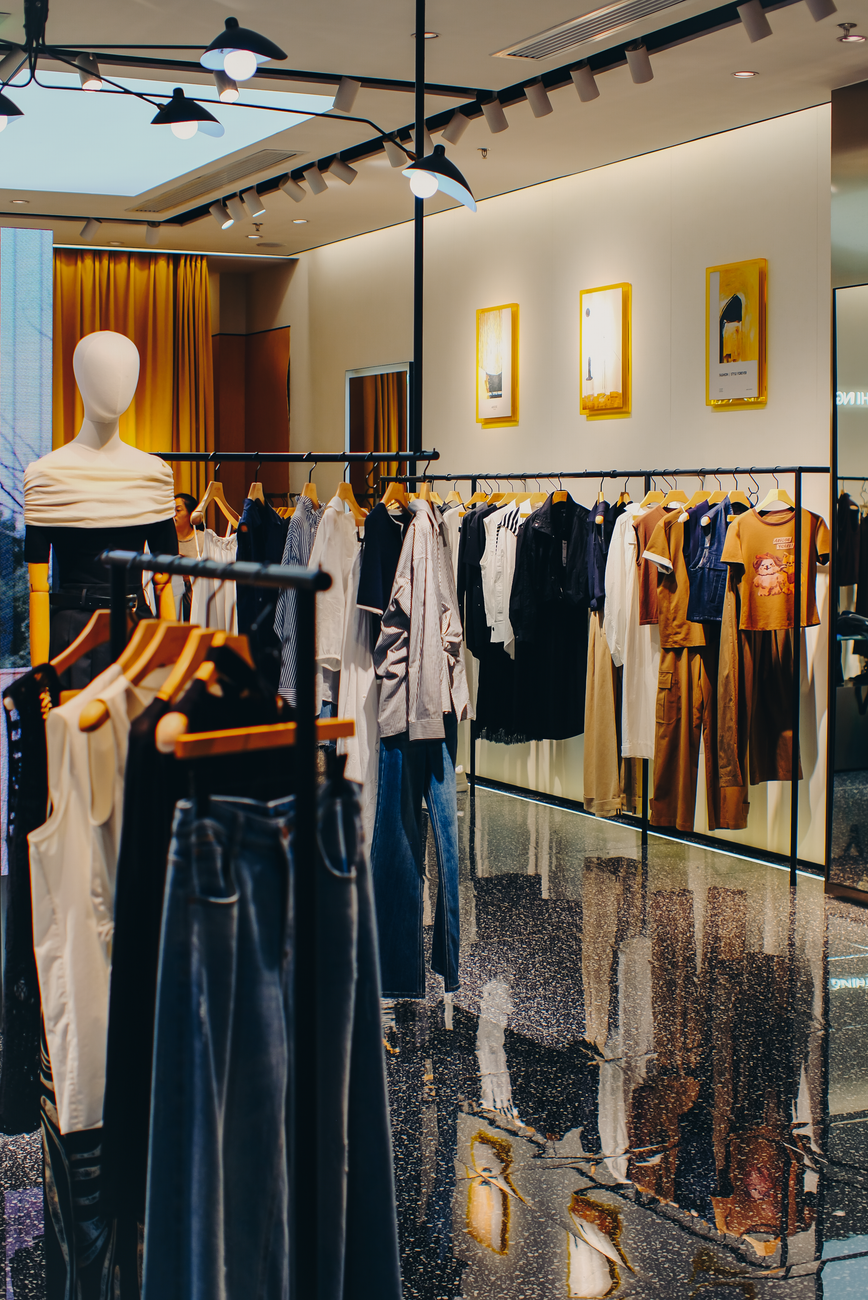
A new rule has come into force that will stop large companies from destroying unsold clothes and shoes. Instead of burning or throwing away perfectly good products, businesses will be expected to find better solutions, whether that’s donating them, selling them at a lower price, repairing them or recycling the materials.
It may sound surprising, but destroying unsold clothing has been a common practice in parts of the fashion industry for years.
The new law sends a simple message: if something is still useful, it shouldn’t end up as waste.
At a time when the fashion industry is one of the world’s biggest polluters, this is a step in the right direction. Hopefully, it will also encourage all of us to think differently about fast fashion and to value the clothes we already own. I hope these measures will be effectively enforced. I still have my doubts how this will be checked.
Source: European Commission
Teaching Sustainability Starts Early
One story that deserves more attention is the launch of a new digital platform that will help schools in Cyprus teach sustainability. Children will have access to lessons and activities about climate change, biodiversity, recycling, energy and caring for the environment.
That might not sound like breaking news, but it could have the biggest impact of all. The habits we learn when we’re young often stay with us for life. If today’s children grow up understanding why nature matters and how their everyday choices affect the planet, they’ll be better prepared to face the challenges ahead.
Source: Cyprus Mail
Summarized by Lusine Mirzoyan
 www.natureallydone.com
Leave a comment