
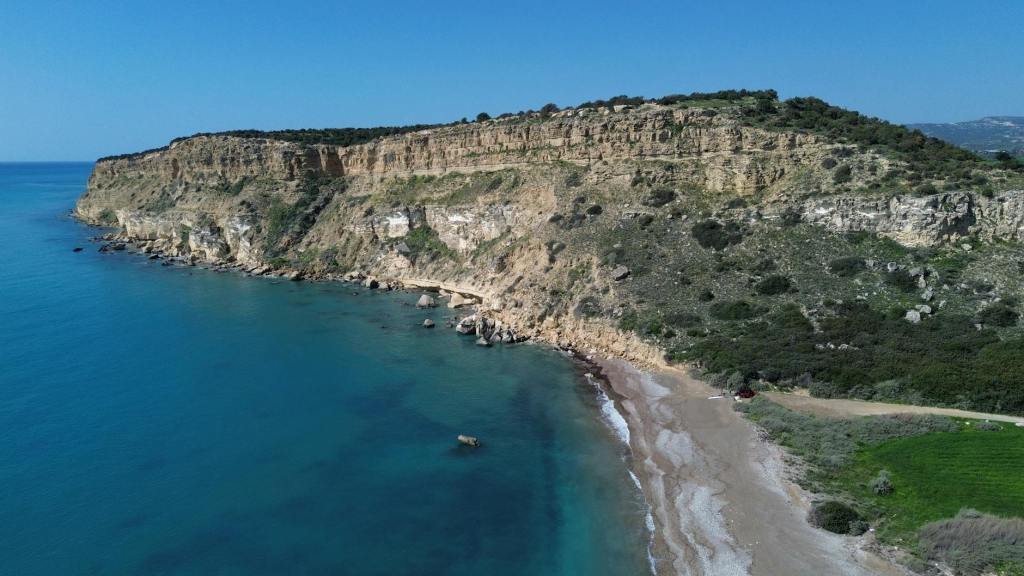
In the last few days, Cyprus has been in the spotlight for both its environmental problems and its efforts to become greener. People are talking more about climate justice, protecting nature areas, and how tourism fits into a sustainable future.
One of the most talked‑about issues this week is the protection of the Akamas peninsula, a sensitive natural area in the west of the island. Environmental organisations such as Terra Cypria, BirdLife Cyprus, and the Cyprus Federation of Environmental Organisations have warned that government plans for road works may break the rules meant to protect this area (Source: Cyprus Mail).
They say the agriculture ministry is not fully applying legally binding conditions for the Akamas National Forest Park, especially for a road between the Baths of Aphrodite and Fontana Amorosa. The groups are worried that further widening or “temporary” improvements could damage habitats, disturb wildlife, and encourage more uncontrolled car traffic in a fragile ecosystem.
Tourism, climate resilience, and EU role
At the same time, Cyprus is balancing its role as a major tourist destination with the need for climate resilience. On April 22 a high-level Conference took place in Larnaca under the patronage of the Cyprus Presidency of the Council of the EU. Entitled Entitled Island of resilience – Cyprus’ perspective on climate, sustainability and food security
the event brought together experts and policymakers to explore how Cyprus can adapt to a changing climate placing water, sustainability, and food security at the centre of its future. The highlights of the event are available in this article.
In the past week there has also been clear public concern about how military exercises and infrastructure projects can affect nature. Environmental activists have warned that large‑scale military drills or construction in protected areas could harm habitats and species, and they are calling for more careful planning and stronger environmental checks (Source: Politis.)
Shock from microplastics in Cyprus
The GreenPress Cyprus article titled “Shock from microplastics in Cyprus” explains that the first comprehensive scientific study of microplastic (1–5 mm) and mesoplastic (5–25 mm) pollution on the coasts of Cyprus has been published in the Journal of Environmental Chemical Engineering. It provides unique data on the origin and deposition patterns of plastics, confirming the sea as the main source, rather than land-based activities.
The average density of microplastics recorded reached 337 particles per square meter, with one beach recording up to 2422 particles per square meter, while a single sample reached 4020 particles per square meter.
The most common plastics found were low-density plastics, such as polyethylene (PE), polypropylene (PP) and polystyrene (PS), which typically float on the surface of the sea. By examining multiple litter categories (micro-, meso- and macro-), the study also introduces a new classification tool to identify coastal areas that are most vulnerable to marine or land-based litter.
The study was carried out and completed through the collaboration between the University of Haifa and the Oceanographic Center of the University of Cyprus and is available here.
 www.natureallydone.com
Leave a comment