
Articles · Article
Found an Injured Sea Turtle or Marine Animal in Cyprus? Here's What You Should Do
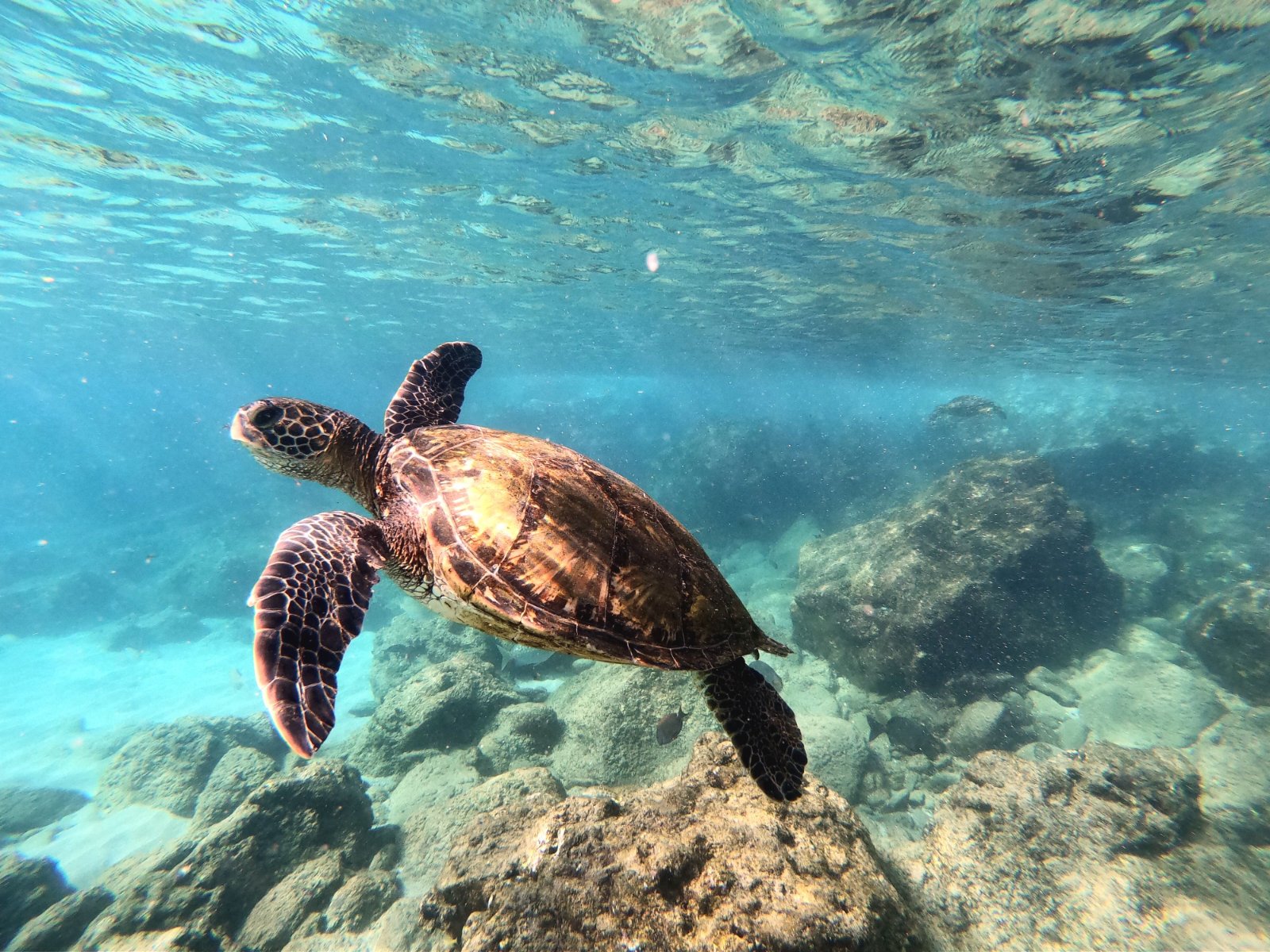
Knowing how to respond when you find an injured, stranded or dead marine animal can make a real difference. Here's a practical guide to protecting Cyprus's marine wildlife and reporting an incident to the right authorities.
Cyprus is home to an extraordinary diversity of marine life. Its coastal waters provide important habitats for sea turtles, dolphins, seals, sharks, rays, seabirds and many other species.
Whether walking along a beach, swimming, diving, fishing or enjoying a boat trip, you may occasionally encounter a marine animal that appears injured, sick, entangled in fishing gear or stranded on the shore.
In such situations, it is natural to want to help. However, the wrong intervention, even when well-intentioned, can cause additional stress or injury to an already vulnerable animal.
The most important thing to remember is simple: observe, protect and report. Leave the rescue and handling to trained professionals.
This guide explains what to do if you encounter an injured, stranded or dead sea turtle or another marine animal in Cyprus.
1. What should you do if you find an injured sea turtle?
Sea turtles may be found stranded on beaches for several reasons, including injuries, illness, exhaustion, fishing-gear entanglement, accidental capture or other human-related pressures.
If you find a turtle that appears injured, weak, motionless or unable to return to the sea, follow these steps.
Step 1: Do not touch or move the turtle
Although your first instinct may be to push the turtle back into the water, please do not do this.
A turtle found on the beach may be injured, exhausted or seriously ill. Returning it to the sea without assessment could put its life at further risk.
Do not:
Pull or drag the turtle.
Attempt to carry it into the water.
Pull fishing hooks, lines or nets from its body.
Attempt to treat its injuries.
Feed it or pour water into its mouth.
Step 2: Keep your distance
Minimise disturbance around the animal.
Keep children, dogs and other beach visitors away. Avoid surrounding the turtle, touching its flippers or shell, and making unnecessary noise.
Step 3: Record the location
Accurate location information helps the authorities reach the animal quickly.
Try to record:
The name of the beach or coastal area.
The nearest landmark, restaurant or beach access point.
GPS coordinates, if available.
The date and approximate time of discovery.
Whether the turtle is on the beach, in shallow water or further out at sea.
Step 4: Take photographs from a safe distance
Photographs can help authorities understand the animal's condition before arriving.
If possible, take:
A photograph showing the whole animal.
A photograph of any visible injuries.
A photograph of fishing lines, nets or other objects entangled around it.
Do not use flash, turn the animal over or approach it unnecessarily to obtain a better photograph.
Step 5: Report the incident immediately
In the Republic of Cyprus, injured and dead sea turtles should be reported to the Cyprus sea turtle hotline.
Sea turtle emergency hotline:
96 952929
This number is identified as the University of Cyprus sea turtle hotline, established in cooperation with the Department of Fisheries and Marine Research.
The hotline is advertised as operating 24 hours a day, seven days a week.
You can also contact the Department of Fisheries and Marine Research (DFMR).
The Department has a dedicated Sea Turtle Rescue Centre in Meneou, where injured turtles are taken for assessment and treatment by authorised personnel.
Importantly, members of the public should not attempt to transport a turtle themselves.
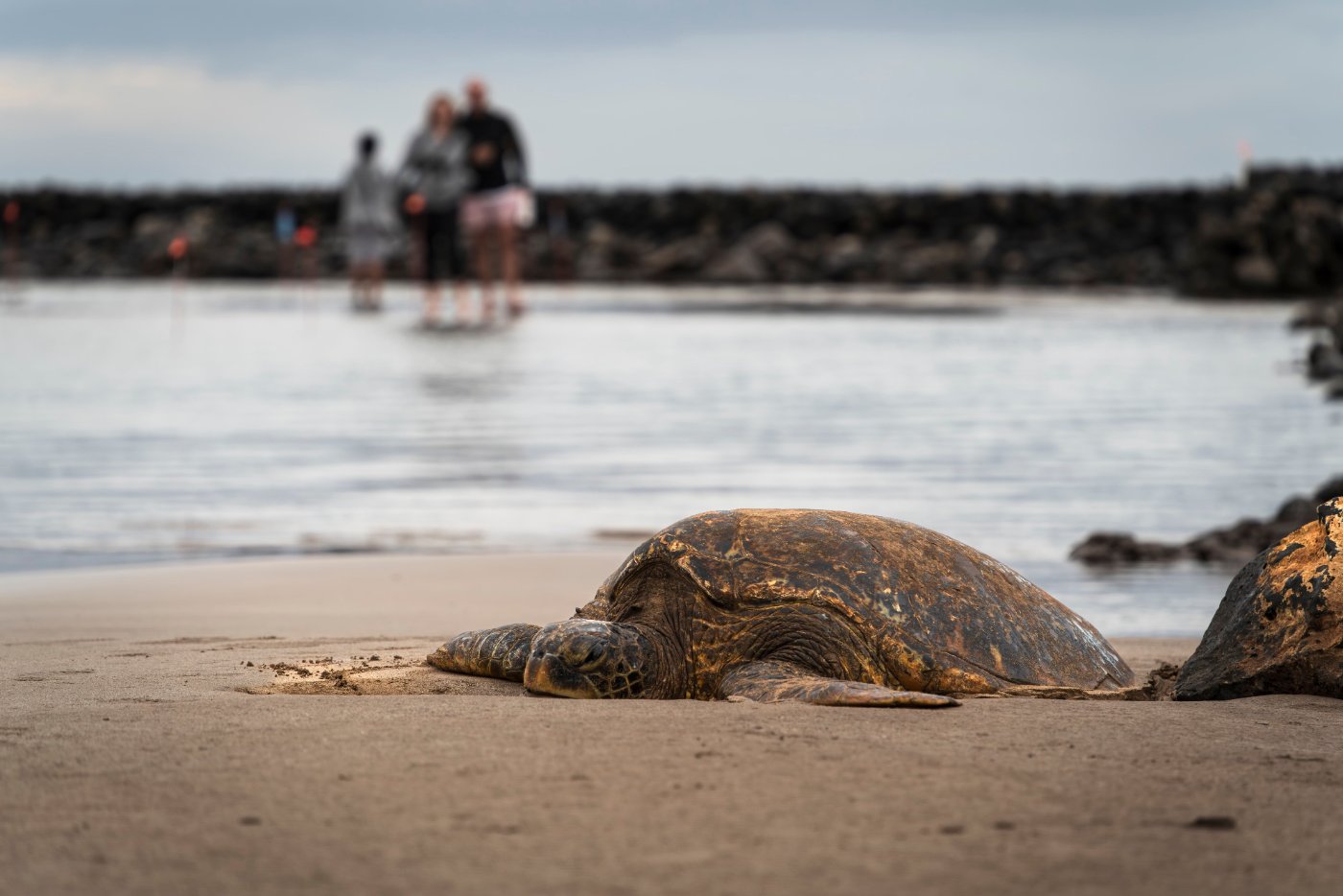
2. What if you find a dead sea turtle?
Finding a dead sea turtle can be upsetting, but reporting the discovery is still extremely important.
Dead animals provide valuable scientific information. Examination may help researchers understand possible causes of death, including fishing-gear interactions, disease, injuries, pollution and other environmental pressures.
If you find a dead turtle:
Do not touch, move or attempt to bury it.
Keep people and dogs away.
Record the exact location.
Take photographs from a safe distance.
Contact the Department of Fisheries and Marine Research immediately.
According to the Department's guidance, the relevant local authorities (municipalities and community councils) are responsible for the collection and handling of dead marine turtles.
The Department may also collect samples for scientific investigation where necessary.
Please do not attempt to dispose of a dead marine animal yourself. Its proper handling is important for both public health and scientific monitoring.
3. What if you find a stranded or injured dolphin?
Dolphins are occasionally found stranded along the Cyprus coastline.
A dolphin may be alive in shallow water, stranded on the beach, entangled in fishing gear or already dead.
A stranded dolphin requires specialist attention. Even if it appears to be breathing normally, this does not necessarily mean it can safely return to the sea without assistance.
If you encounter one:
Do not attempt to push or tow it back into deeper water.
Do not pull its tail, fins or body.
Do not approach its mouth or blowhole.
Do not attempt to remove fishing gear.
Keep people and dogs away.
Record the location and take photographs from a safe distance.
Contact the Department of Fisheries and Marine Research immediately.
Dolphins are protected marine mammals, and their handling requires specialist knowledge.
For dolphin strandings, contact:
Department of Fisheries and Marine Research (DFMR)
Website: https://www.gov.cy/moa-dfmr/en/contact/
Contact numbers: https://www.gov.cy/moa-dfmr/en/contact/
Ask to be connected to the appropriate district or marine wildlife response team.
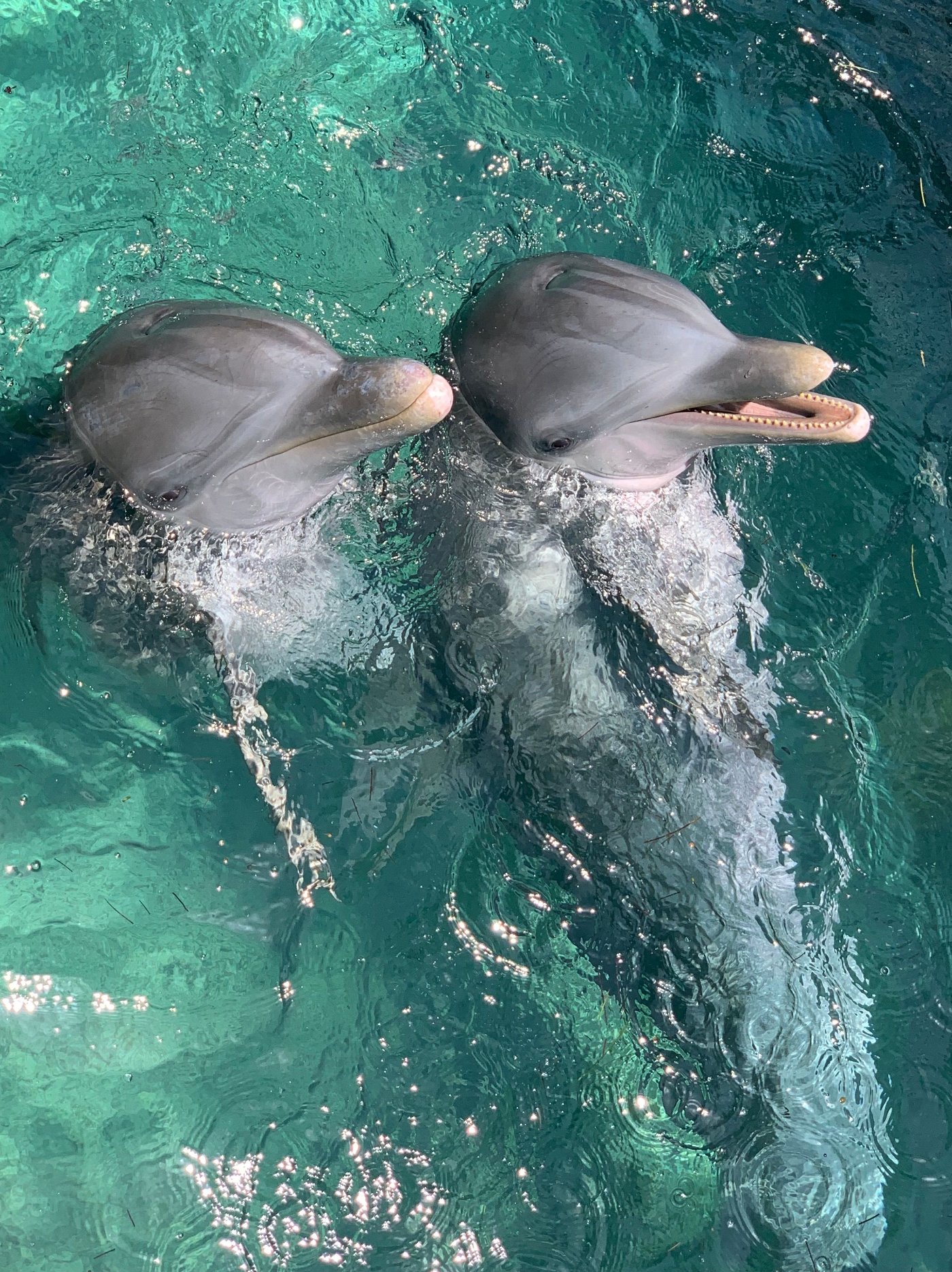
4. What if you find an injured seal, shark or ray?
Other marine animals may also require specialist assistance.
This includes:
Mediterranean monk seals.
Sharks and rays.
Large marine fish.
Marine animals entangled in fishing nets or lines.
Other protected or stranded marine wildlife.
The Mediterranean monk seal (Monachus monachus) is particularly important. It is one of the most threatened marine mammals in the Mediterranean, and Cyprus provides important habitat for this species.
If you encounter a monk seal resting on a beach or in a sea cave, do not approach it or attempt to make it enter the water.
The same principle applies to injured sharks and rays: never attempt to handle, restrain or remove fishing equipment from the animal yourself.
For these incidents:
Observe from a safe distance.
Avoid disturbing the animal.
Record the location.
Take photographs if possible.
Contact the Department of Fisheries and Marine Research and request the appropriate specialist response.
Do not assume that the sea turtle hotline or turtle-specific emergency numbers automatically cover every marine species.
6. Important emergency contacts in Cyprus
The following contacts are useful for people encountering injured or dead marine animals in the Republic of Cyprus.
Sea turtles – 24/7 hotline
96 952929
Report injured, sick or dead sea turtles.
Department of Fisheries and Marine Research
Central telephone: +357 22 807 807
Website: https://www.gov.cy/moa-dfmr/en/contact/
DFMR district contacts
During normal office hours:
Nicosia: 22 807 853
Larnaca: 24 304 294 / 24 422 888
Famagusta: 23 834 172
Limassol: 25 306 800 / 25 306 804
Paphos: 26 821 680
DFMR emergency contacts outside normal working hours
The Department publishes the following numbers for reporting injured or dead sea turtles:
Larnaca: 99 489 645
Famagusta: 99 489 643
Limassol: 99 489 651
Paphos: 99 489 642
Published availability:
Weekdays: 16:00–20:00.
Weekends: 06:00–20:00.
These are the published out-of-hours contacts for turtle incidents and should not be assumed to constitute a 24-hour service for all marine wildlife.
For incidents involving other species, contact the Department's central or relevant district office and request the appropriate response team.
Please note: These contacts relate to the Republic of Cyprus.
Observe. Protect. Report.
Save this guide, share it with friends and family, and help spread awareness among beach visitors, swimmers, divers, fishermen and coastal communities across Cyprus.
Together, we can help protect the incredible marine life that shares our island.
Sources and further information
This article draws on information published by Cypriot government departments and established conservation organisations.
Department of Fisheries and Marine Research (DFMR) – Government of Cyprus
Official contact information and district telephone numbers:
https://www.gov.cy/moa-dfmr/en/contact/
DFMR – Emergency telephone numbers outside working hours
Official reporting contacts for injured and dead sea turtles, including the published operating hours:
https://www.gov.cy/moa-dfmr/en/contact/emergency-phone-numbers-non-working-hours/
DFMR – Official announcement on the management of injured and dead sea turtles (14 January 2026)
Information on the Department's protocols and cooperation with local authorities:
Cyprus Sea Turtle Hotline – Government-published information
Information on the 24-hour, seven-day-a-week sea turtle reporting hotline:
Enalia Physis Environmental Research Centre
Public guidance on what to do when finding an injured or dead sea turtle, including rescue arrangements and reporting procedures: