
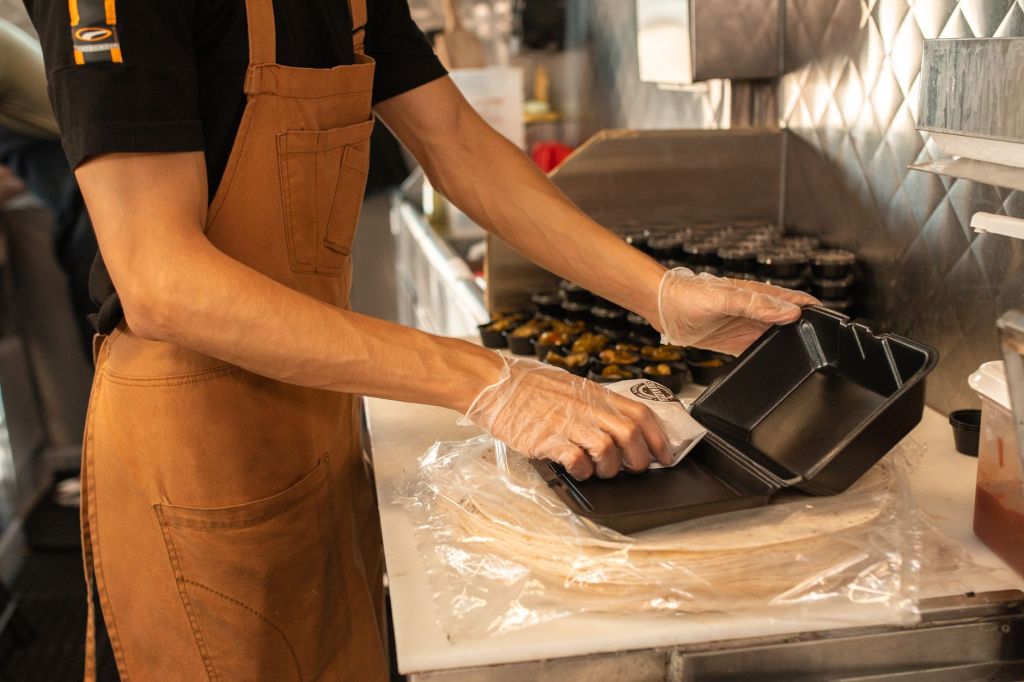
Most of us order a coffee on the way to work, pick up lunch in a plastic container or have dinner delivered to our home. A few minutes later, the cup, lid, box, bag and cutlery are in the bin.
But since 12 August 2026, the packaging used by restaurants, cafés, bakeries and delivery businesses in Cyprus must meet new European limits on PFAS, the chemicals often described as “forever chemicals”.
The change comes from the EU Packaging and Packaging Waste Regulation. It applies directly in Cyprus and across the European Union.
For customers, however, very little may appear to have changed. Our coffee still comes in a paper cup and our souvlaki may arrive in the same type of box. There is no compulsory “PFAS-free” symbol to help us identify compliant packaging. The real change must be currently taking place behind the counter and along the supply chain.
Why were these chemicals used?
Takeaway packaging has a difficult job. It must hold hot, oily or wet food without leaking, losing its shape or sticking to the meal.
Some paper, cardboard and moulded-fibre packaging has achieved this by using PFAS in its coatings or treatments. These chemicals are very effective at resisting water and grease.
That strength is also the problem. PFAS break down extremely slowly and can remain in water, soil, animals and the human body for a long time. Some have been associated with cancers, immune-system problems and other health concerns.
The new rules do not mean that every takeaway box previously used in Cyprus was dangerous. They introduce strict limits intended to reduce unnecessary exposure and remove packaging with higher PFAS levels from the market.
What should businesses be doing now?
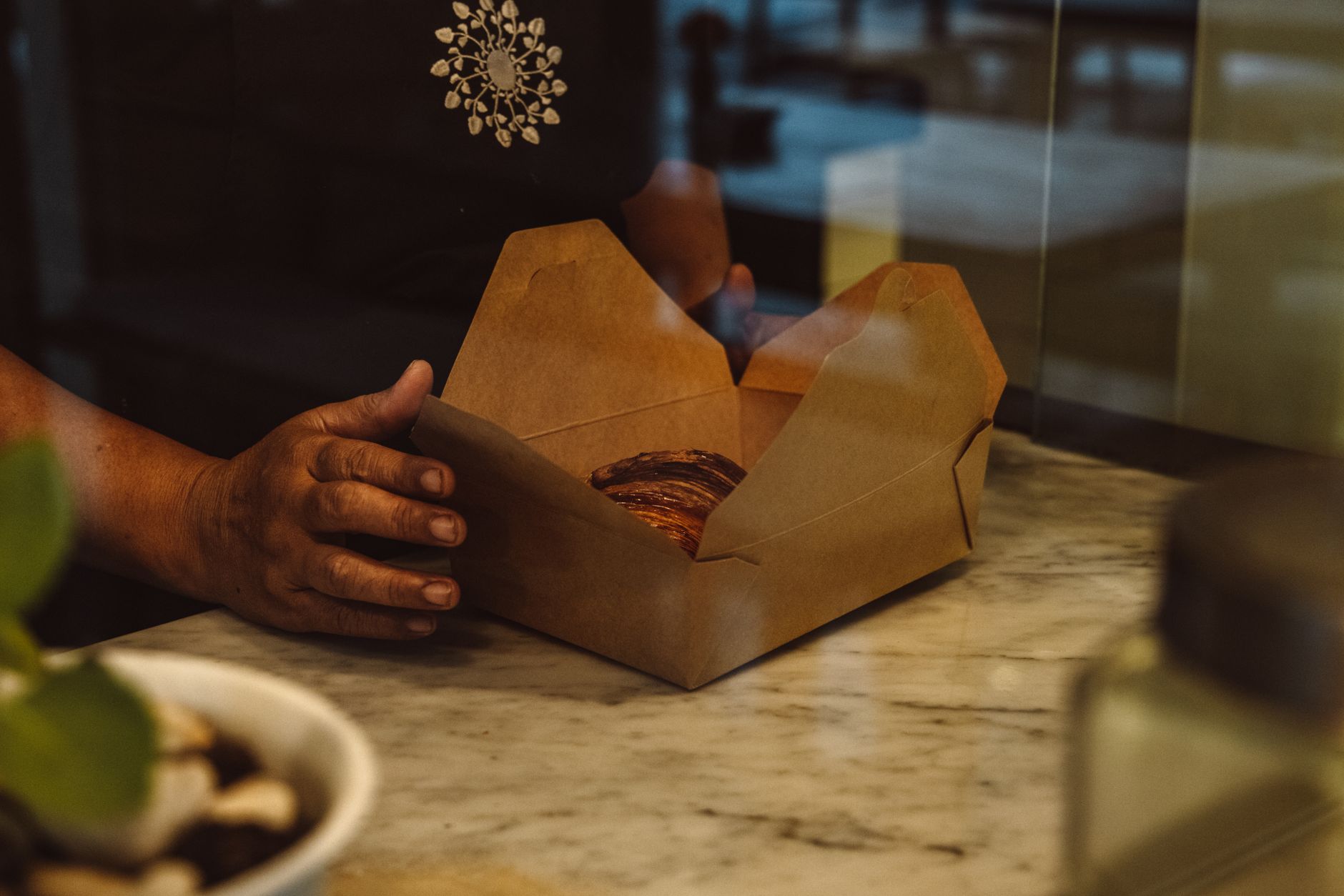
Restaurants and cafés are not expected to operate laboratories. But they should know what packaging they are buying and from whom.
A supplier saying that a product is “paper”, “plant-based”, “biodegradable” or “eco-friendly” is no longer enough. Businesses should be asking for a confirmation that each food-contact product meets the new PFAS limits.
That applies to more than the obvious takeaway box. It can include:
- burger and souvlaki wrappers;
- pizza cartons;
- paper cups and lids;
- bakery and sandwich bags;
- salad and soup bowls;
- chip boxes;
- greaseproof paper;
- moulded-fibre or bagasse containers; and
- coatings, inks and adhesives that may come into contact with food.
Larger restaurant and coffee chains are more likely to have compliance departments or purchasing teams that can request this information. A small family bakery or neighbourhood takeaway may depend almost entirely on what its supplier says.
That is where Cyprus needs clear and practical guidance. A small business should be told exactly which documents to request and how long to keep them. A simple official checklist would be much more useful than expecting every café owner to understand a long European regulation.
Will our takeaway/delivery become more expensive?
We shall wait and see I guess.
Some businesses may pay more for certified packaging, particularly if they buy small quantities. Others may already be using compliant products and see little change. As demand grows, more PFAS-free products should become available and prices may become more competitive.
The cost also depends on how businesses react. If they simply replace every item with a more expensive disposable alternative, packaging costs may rise. If they remove unnecessary lids, bags, napkins and cutlery, they can recover part of that cost.
Delivery platforms could help immediately by making “no cutlery” the standard setting and allowing customers to request extras only when needed. Some of the businesses are already doing this.
Are alternatives available in Cyprus now?
Yes. Cyprus-based suppliers including Dynamec, Bake and Pack, advertise paper, kraft, wood-fibre, bagasse and other food-packaging options.
The issue is not simply whether an alternative exists. The important question is whether a particular product:
- meets the PFAS limits;
- is approved for food contact;
- works with hot, oily or wet food;
- survives a delivery journey without leaking;
- contains a hidden coating or lining; and
- can be properly handled after use in Cyprus.
A restaurant should test a container with its actual food before ordering thousands of pieces. A box that works for a dry sandwich may fail completely with hot chips, sauce or grilled meat.
Suppliers should make compliance documents easily available rather than waiting for every customer to request them individually. A clear online product sheet would help smaller businesses enormously.
And what about the restaurant owner?
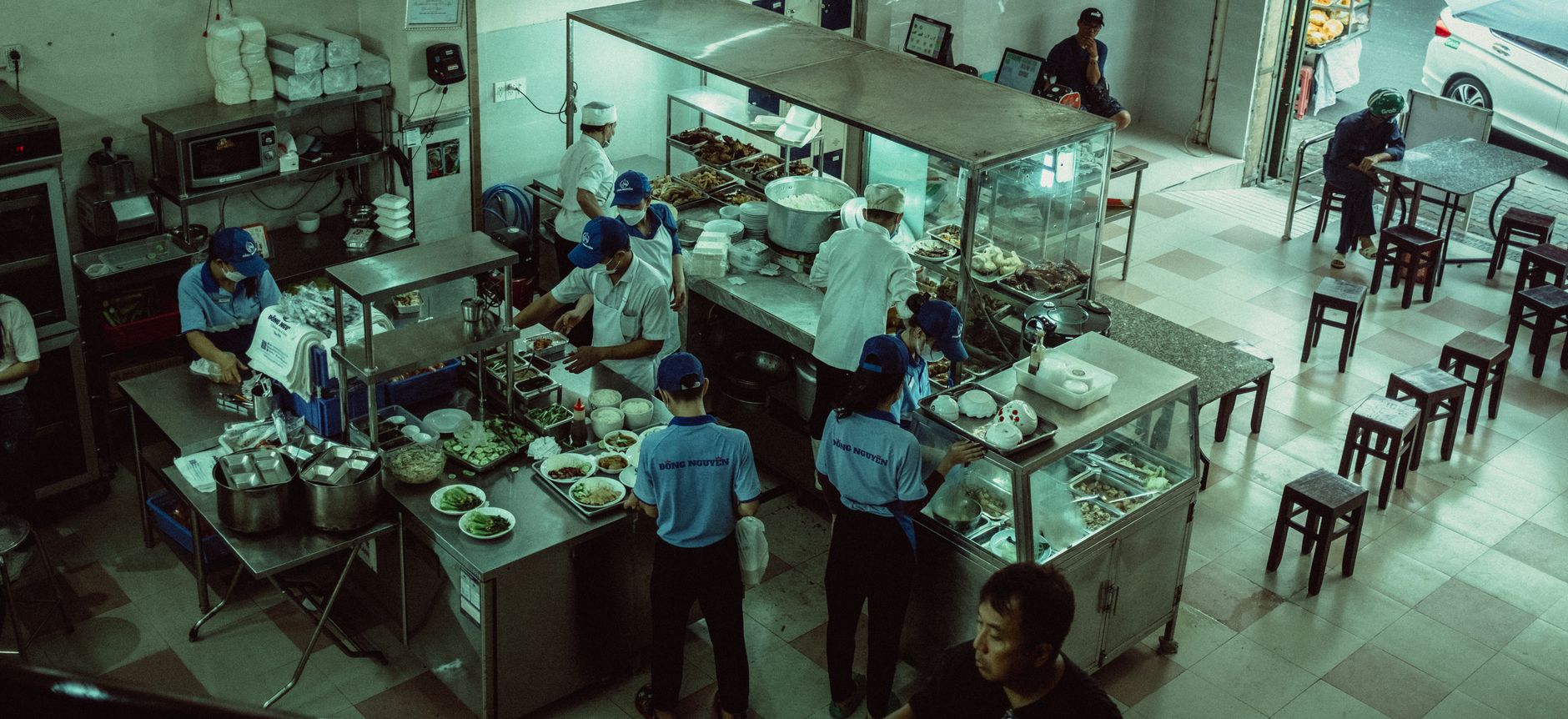
It is easy to tell businesses that they must change. It is harder to be the person who has to make that change while also managing food prices, electricity bills, wages, rent and delivery-platform commissions.
A restaurant or café owner may reasonably ask:
- Which of the boxes in my storeroom are still legal to use?
- What exact document should I request from my supplier?
- Is a written supplier declaration enough, or do I need laboratory results?
- Who will inspect my business, and what will they ask to see?
- If my supplier gave me incorrect information, who is responsible?
- Are compliant alternatives available in the sizes and quantities I need?
- How can a small business check technical claims without employing a compliance specialist?
- If I choose compostable packaging, is there actually somewhere in Cyprus that can process it?
The list of questions goes on. Most restaurant owners are not packaging experts or chemists. Their job is to prepare food, serve customers and keep their businesses running. Compliance should therefore be supported by simple official guidance, trustworthy suppliers, standard documents and fair enforcement across the market.
A change we can make work
The new European rules will not end takeaway or delivery in Cyprus.
There will be difficulties and additional costs. Small businesses will need guidance, suppliers will need to provide proper evidence and authorities will need to carry out meaningful checks.
The biggest opportunity is to stop treating packaging as something that becomes rubbish after a few minutes. If Cyprus creates a common, convenient reuse system, the change could benefit businesses, customers and the environment. What do you think?
Lusine Mirzoyan
 www.natureallydone.com
Leave a comment