
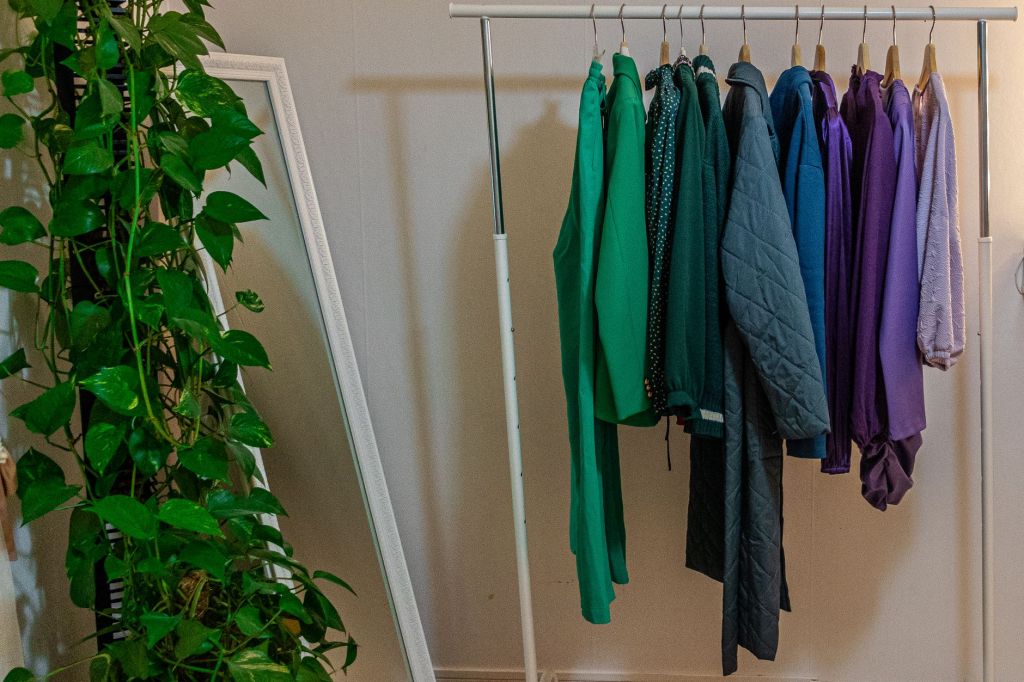
There are more than 5, but today letting you know about these ones.
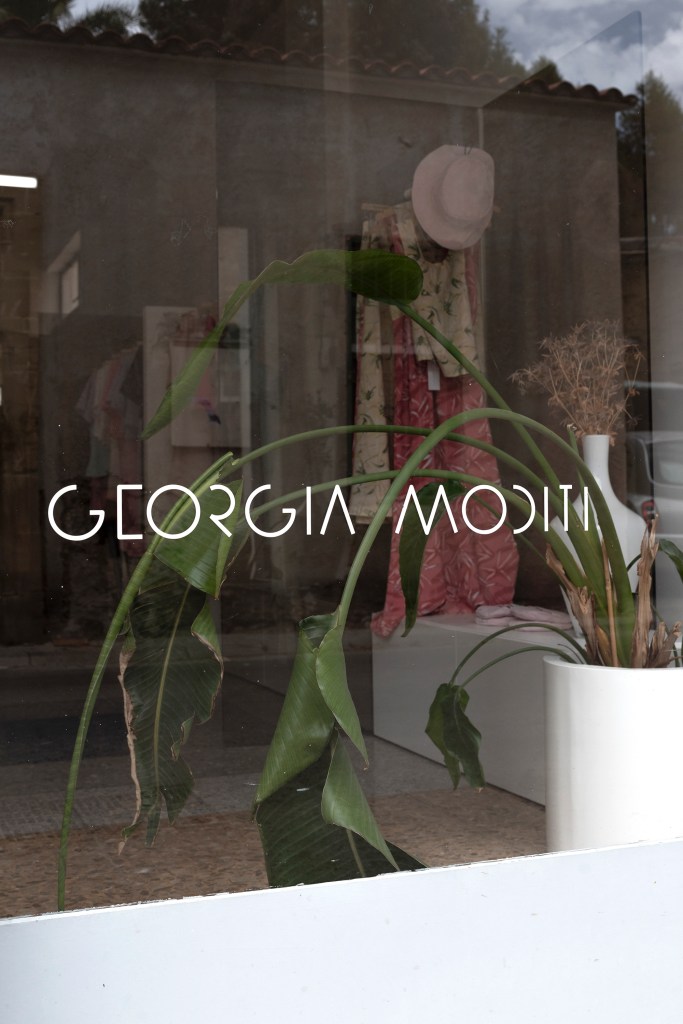
- Georgia Moditi is a brand created by a Cypriot designer Georgia Moditi. The store is located in Kaimakli, Nicosia (online store is also available). All their collections are designed and made by women in Cyprus. Georgia also hosts sewing workshops every month. To learn more about the shop and the founder, read the interview I had with Georgia here.
2. Arcadia founded by Irene Panayi. Every piece is made with respect for nature and for the people who inhabit it. Through upcycling, repairing, and remaking old garments and fabrics, Arcadia gives new life to materials that already exist, proving that style and sustainability can beautifully coexist. Arcadia also hosts upcycling workshops. To learn more about the shop and its founder, read my interview with Irene here.
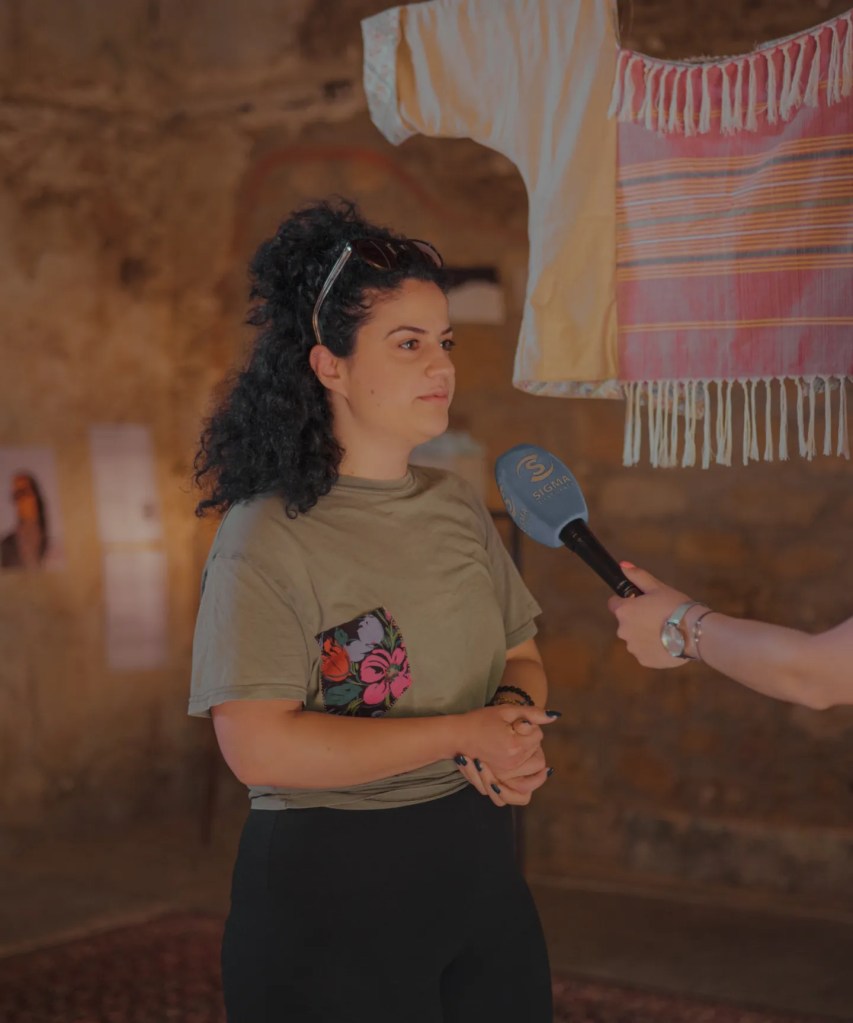
3. Folkmona was born from a realisation, the traditional fabrics of Cyprus were quietly disappearing. Not because people stopped caring, but because nobody was keeping them alive. Andreani Panayide founded the brand built on authentic Cypriot fabrics, woven by hand on the island by artisans who have spent their lives perfecting these techniques. Folkmona will be at the exhibition at EcoForward Cyprus where you can meet the founder and participate in a workshop. My interview with Andreani is available here.

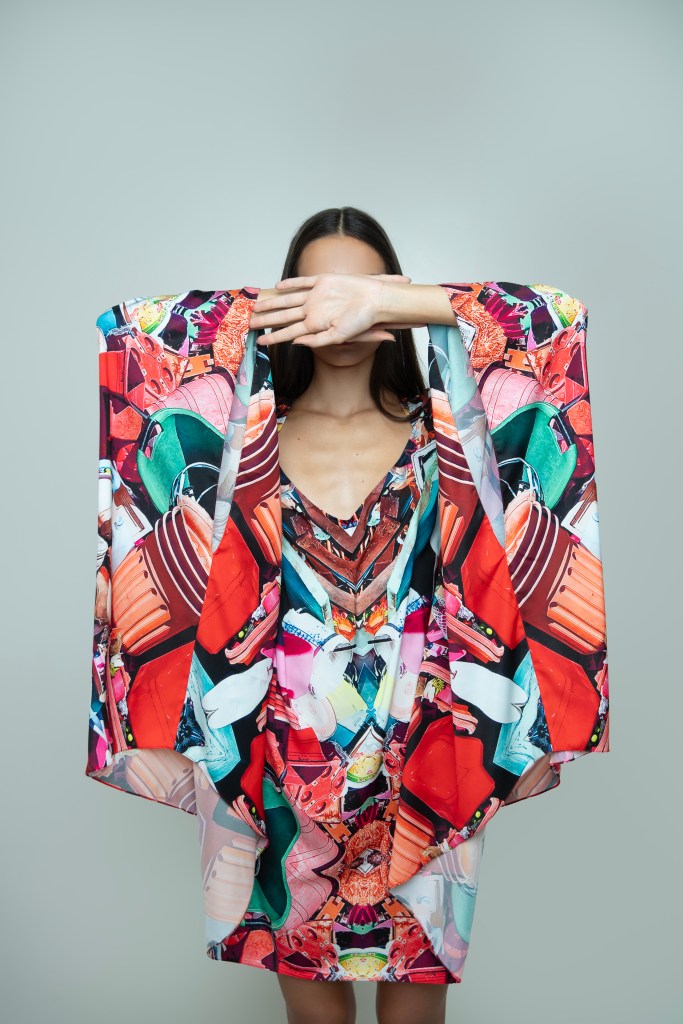
4. Michalis Pantelidis won my heart with his colorful designs. Michalis Pantelidis is a Cypriot textile designer working between fashion, art, and cultural storytelling. His practice focuses on silk accessories that translate heritage, memory, and everyday observations into wearable objects. Michalis’s work is focused on scarves made from 100% silk and produced in Greece. To learn more about Michalis, read my interview here.
5. Yiavri Mou – the brand I only recently discovered. It is a sustainable, handmade Cypriot fashion brand created by designer Anna Michaelidou, known for upcycled clothing, cultural heritage storytelling, and local craftsmanship based in Nicosia.
Fast fashion has a massive environmental impact, being the second-biggest consumer of water and responsible for 10% of global CO2 emissions. 👚
Maybe we can try to be more aware of it next time we go shopping.
Written by Lusine Mirzoyan
 www.natureallydone.com
Leave a comment