
Summer is in full speed in Cyprus. The airports are full, tourists are arriving, construction continues, boats are out on the water, and development projects are moving ahead. But behind all this activity, some important questions are becoming harder to ignore.
How much development can our natural environment take?
How secure is our water supply?
Who will be fishing our seas in ten or twenty years?
And how do we make sure that the places that attract people to Cyprus in the first place are still here and healthy in the future?
Here are some of the sustainability and environmental stories that caught my attention this week.
Polis: Can development and nature live together?
Polis Chrysochous has been in the news this week for a reason that will sound familiar to many people in Cyprus: development versus protection of nature.
Environment Commissioner Elias Myrianthous said that Polis should become a model for environmental awareness and sustainable development. Following a meeting with the mayor of Polis Chrysochous, he spoke about the need for development while protecting the area’s natural environment.
And that sounds reasonable. After all, people living in Polis need jobs, homes, services and infrastructure. But there is another side to the story.
Polis, the Akamas and the surrounding countryside are valuable precisely because of their landscapes, beaches, forests and biodiversity. These are also part of what attracts visitors and makes the area special.
Can we build without destroying the character of a place? Can tourism grow without putting too much pressure on water and waste systems? Can new infrastructure be designed around the landscape rather than simply replacing it?
These are questions that Cyprus will have to answer more and more often.
Source: Cyprus Mail
Who will be fishing Cyprus’ waters in the future?
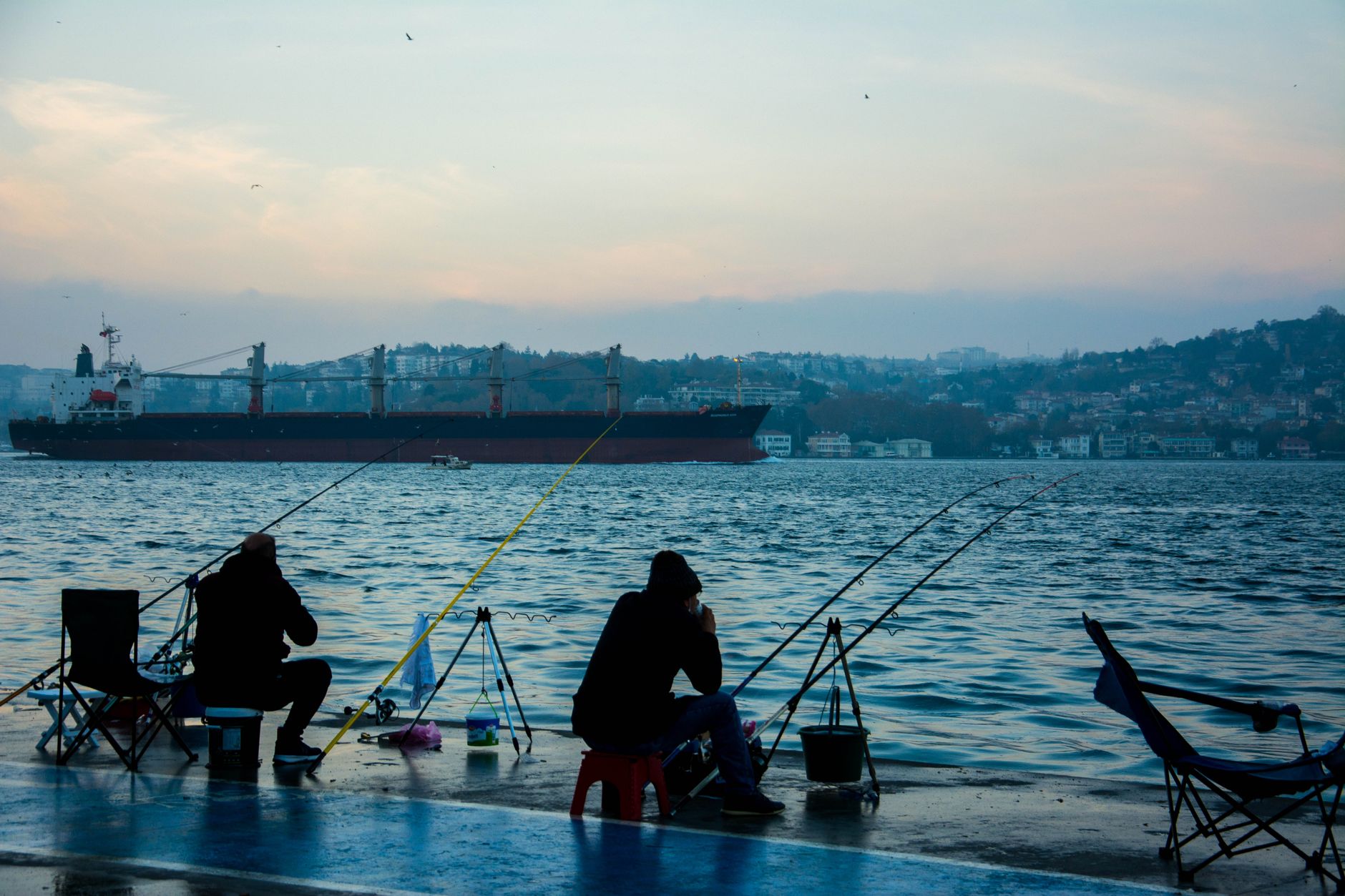
Cyprus has an ageing fishing workforce, and fewer young people are choosing fishing as a career.
Fishing is part of Cyprus’ coastal identity and culture. It also supports local communities and provides food.
But fishing today is not what it was decades ago. Fishermen are dealing with changing marine ecosystems, invasive species, regulations, costs and the effects of climate change.
The challenge is to make fishing both economically viable and environmentally sustainable.
That could mean better equipment, safer working conditions, digital technology, cleaner vessels and easier access to the profession for younger people. If we want fishing communities to survive, we need healthy seas.
And if we want healthy seas, fishing has to be managed sustainably.
The two go hand in hand.
Source: Kathimerini Cyprus
A little reminder about how we use the Mediterranean
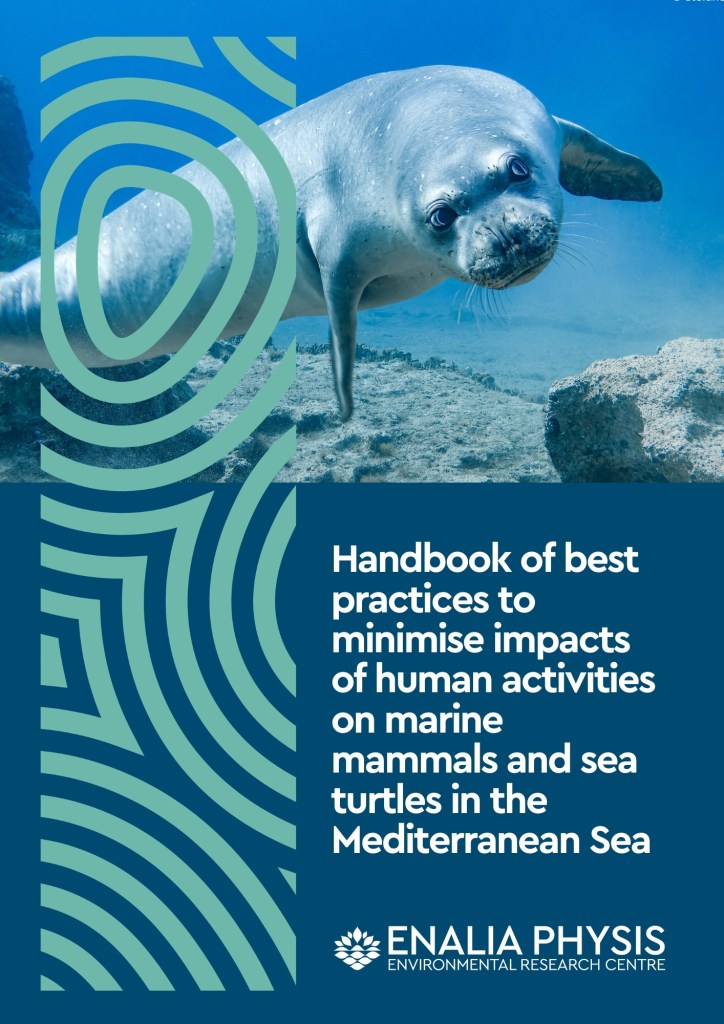
With thousands of people spending their summer on Cyprus’ beaches and in the sea, this is a good time to mention a useful resource from Enalia Physis.
The organisation has published a handbook offering practical advice on reducing the impact of human activities on marine mammals and sea turtles in the Mediterranean.
It covers dolphins, whales, the Mediterranean monk seal and sea turtles, as well as the activities that can disturb or harm marine wildlife.
And you don’t have to be a marine biologist to make a difference.
If you’re out on a boat, diving, snorkelling, kayaking or simply swimming, there are simple things you can do to give wildlife more space and reduce disturbance. This is particularly relevant in Cyprus during the summer.
Our sea belongs to all of us—but it is also home to many species that were here long before our boats, jet skis and beach clubs.
You can read the handbook in English or Greek here
Tourism is booming. Can sustainability keep up?
Cyprus’ airports are currently handling around 50,000 passengers a day. That’s great news for tourism and the economy. But every additional visitor also means additional demand for water, electricity, transport, food and waste services.
Can tourism continue to grow without putting too much pressure on the things that make Cyprus attractive in the first place?
For hotels, this increasingly means looking at practical issues such as:
- How much water does each guest use?
- How much food ends up in the bin?
- How much electricity is used for cooling?
- Can rooms be cooled more efficiently?
- Can more local products be purchased?
- Can waste be reduced?
- Can guests be encouraged to explore the island without adding unnecessary environmental pressure?
Sustainable tourism doesn’t have to mean telling visitors to stop enjoying Cyprus. Quite the opposite. It means making sure that Cyprus remains a place worth visiting.
Source: Cyprus Mail
 www.natureallydone.com
Leave a comment