
Have you ever picked up a product that says “eco-friendly”, “green”, or “natural” and wondered…
Can I actually trust this?
I am trying to make more conscious choices, I thought reading labels would help me choose better. But it’s hard to know what’s real and what’s just marketing fluff.
So, I decided to dig deeper. Here’s what I’ve learned about reading product labels and figuring out what’s actually sustainable.
1. Beware of Greenwashing
Greenwashing is when companies make their products look eco-friendly without actually changing much. It’s all about clever wording and pretty green packaging.
Watch out for vague terms like:
- “Natural”
- “Green”
- “Eco”
- “Non-toxic”
These don’t mean the product is sustainable. In many countries, there’s little regulation around how these words are used.
👉 Tip: Always flip the product over and check the details, not just the front label.
2. Look for Certifications (the Legit Ones)
Some labels actually do mean something—but only if they come from trusted, third-party organizations. Here is what to look for:
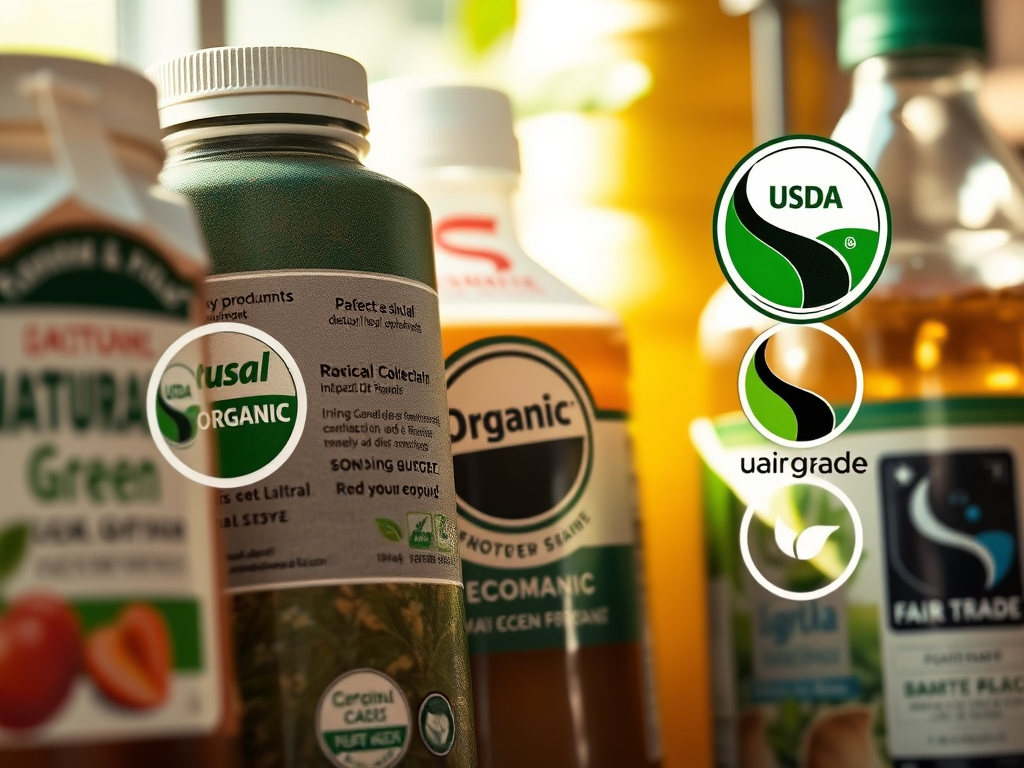
- USDA Organic – No synthetic pesticides, fertilizers, or GMOs (for food & personal care).
- Fair Trade Certified – Workers were paid fairly and treated ethically.
- FSC Certified – Paper or wood comes from responsibly managed forests.
- Energy Star – Products meet energy efficiency standards.
- Certified B Corporation – The company meets high standards for social and environmental impact.
Not all certifications are created equal, though. Some are just logos companies invent themselves. If you’re unsure, a quick Google search can tell you whether it’s legit.
3. Check the Ingredients List (Even for Non-Food Products)
This part is the most difficult for me.
If you can’t pronounce half the ingredients or don’t know what they are, look them up. Especially for things like:
- Cleaning products
- Skincare and cosmetics
- Air fresheners
👉 Pro tip: Apps like Think Dirty or EWG’s Healthy Living can help you scan products and check how clean or sustainable they are.
4. Packaging Matters Too
Sustainability isn’t just about what’s inside the product—it’s also about what it comes in.
Ask yourself:
- Is it recyclable?
- Is it compostable?
- Is it reusable?
- Is there a refill option?
Some companies now offer bulk refills or take-back programs. Others just use a lot of plastic and slap a leaf on the bottle.
The truth is, being a conscious consumer is harder than it should be. Labels don’t always tell the whole story, and it’s easy to feel overwhelmed. Let’s keep asking. Keep learning. And keep making small changes that feel right for you.

 www.natureallydone.com
Leave a reply to Understanding Greenwashing and Greenhushing in Brands | www.natureallydone.com Cancel reply