
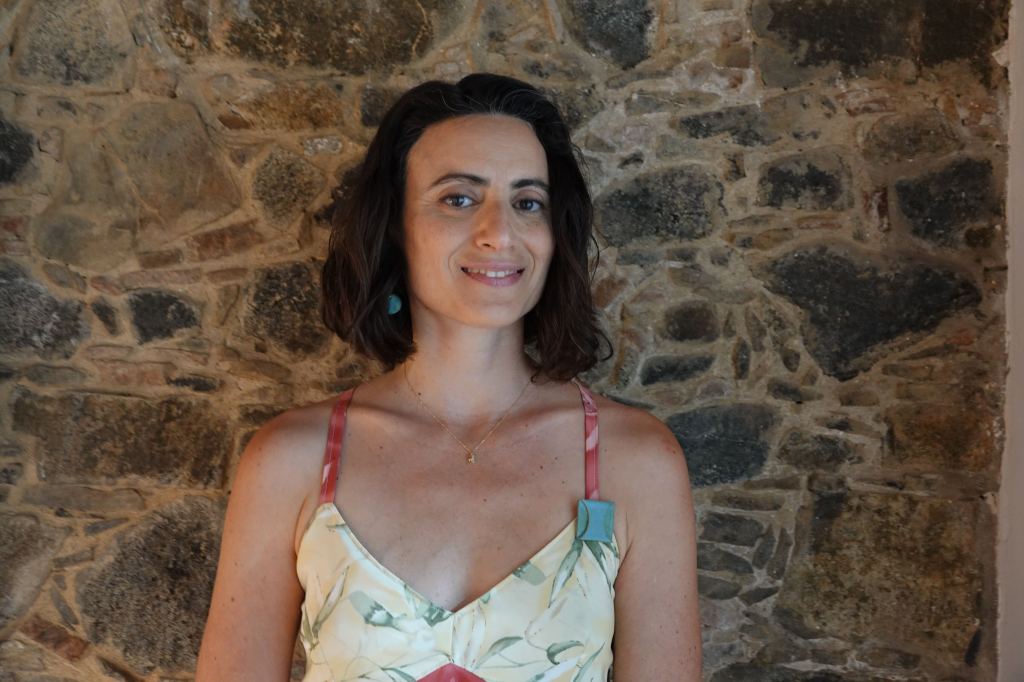
A financial crisis, a growing connection with nature, and a determination to support local action shaped Sofia Matsi’s path into environmental leadership. Today, as Executive Director of the Cyprus Environment Foundation, she works with scientists, farmers, fishers, activists and educators to turn small local initiatives into practical solutions for Cyprus’ environmental challenges.
Sofia, can you tell me a little about your journey and what first sparked your interest in environmental work?
I wasn’t always focused on green work. I loved nature through outdoor fun like climbing, running, and swimming in Cyprus. Over 10 years ago, the 2013 money crisis changed that. It pushed me into activist groups talking about self-reliance and green living. We were discussing the ways to be less dependent on banks, those were times when we didn’t know whether we are going to get cash to buy food or not. That led to permaculture: growing food and living simply and later a PhD in ecology and biodiversity which brought me even closer to the topics of sustainability.
Environmental work can be demanding. What keeps you motivated on difficult days?
Yes, there are days like that. When I started running the organization, I was on my own doing everything: leading the organization, fundraising, doing social media, running the grant allocation program. Now we are three people and still multitasking to make a lot of things done. I stay driven by matching my beliefs to the goal. When you really believe that your values are aligned and you really want to be working towards that, then you find the courage and the strength to keep on going. The other positive thing is when you look at the change in places, in species, in people. When you see this positive change in people learning and people adopting more sustainable habits, then you feel optimistic about the future. We see the results of our work, so we want to keep on working.
For readers who may be hearing about it for the first time, what is the mission of the Cyprus Environment Foundation?
It’s a relatively new organization in Cyprus. It was established in late 2021 and the goal was to raise funds and support local organizations and teams who are working to protect the environment. We collaborate with anyone on the island who’s doing environmental work, conservation work, education work, anything that is in the realm of the environment.
We organise fundraising through various ways. Sometimes individuals are interested in donating to support our work. At times businesses show us their support as part of their CSR. Sometimes we do more creative fundraising campaigns through collaborations with businesses like retail stores Marks & Spencer’s Cyprus or local restaurants where they donate a certain amount to us. Other times we partner with local artists to raise funds for nature through the power of their photos or ceramic creations.
Is there any procedure to evaluate proposals?
We have internal processes where we evaluate incoming proposals. They need to fit our criteria and also they need to be approved by our committees. We have two committees which support us: scientific experts which form the advisory board and the steering committee which consists of our donors or representatives of our donors. These committees help us choose all the projects we end up funding.
Can you describe some of the main projects of the Cyprus Environment Foundation?
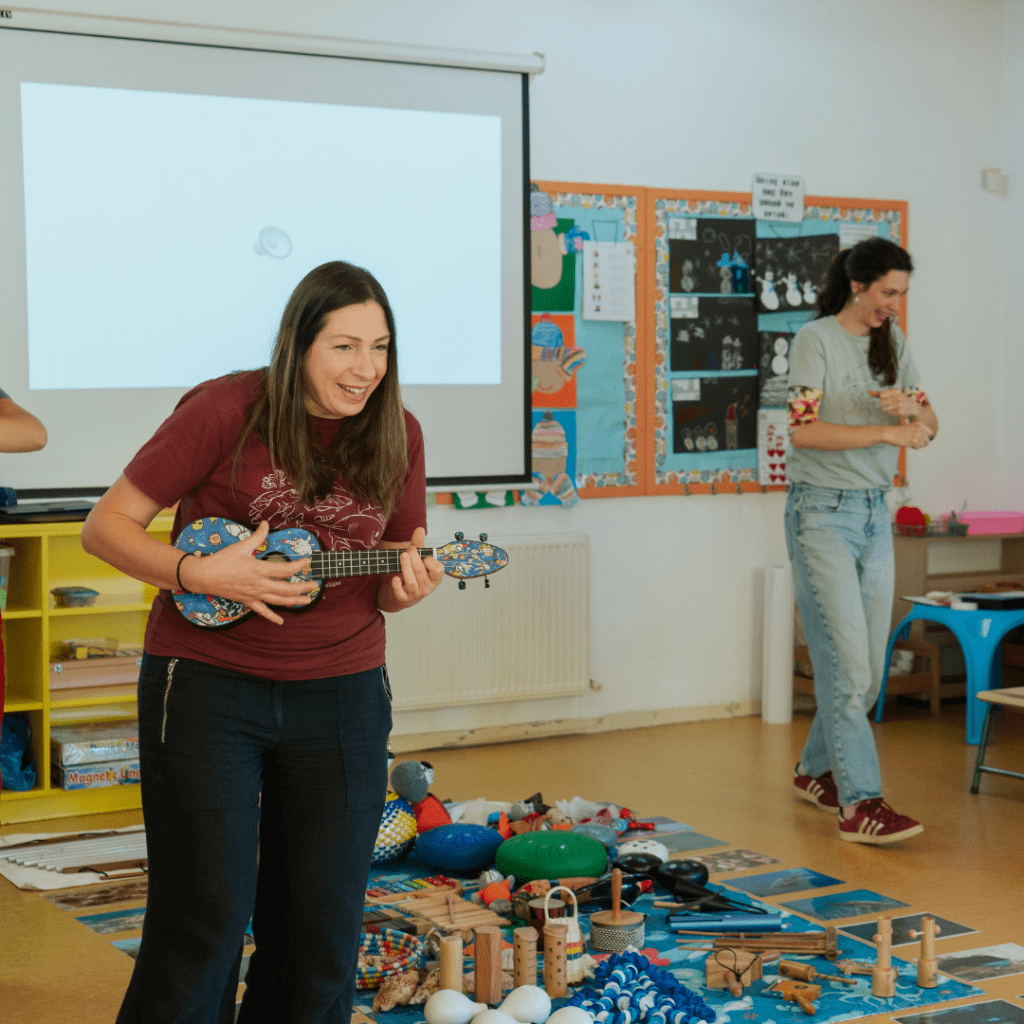
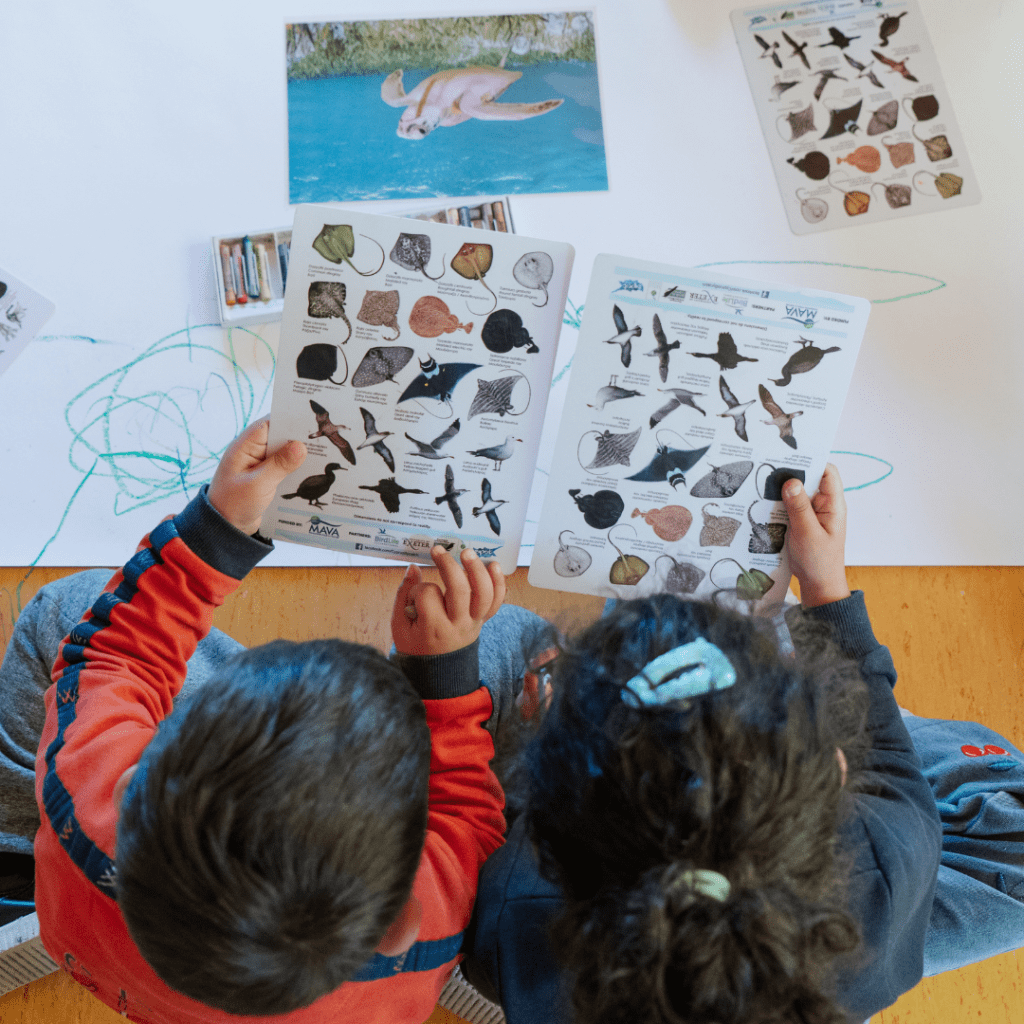
I will mention three just to showcase the diversity in actions we are supporting. The first one is in education. We’ve been partnering with local experts here in Cyprus who merge the creative arts with sciences and offer creative workshops for children with the aim of raising awareness on marine education. Essentially, one of the critical issues of Cyprus is that people are lacking the necessary connection and education on why sustainability is important. Educating more people from a younger age is crucial: all these children are the next leaders, decision makers, entrepreneurs (you can read about this project here).
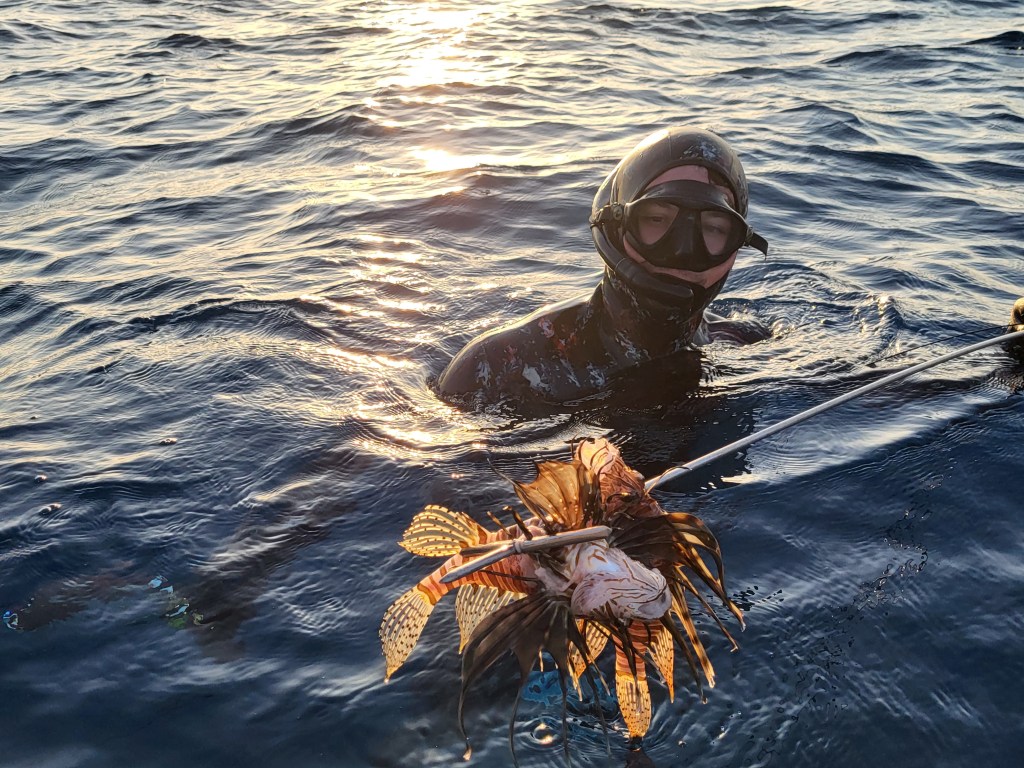
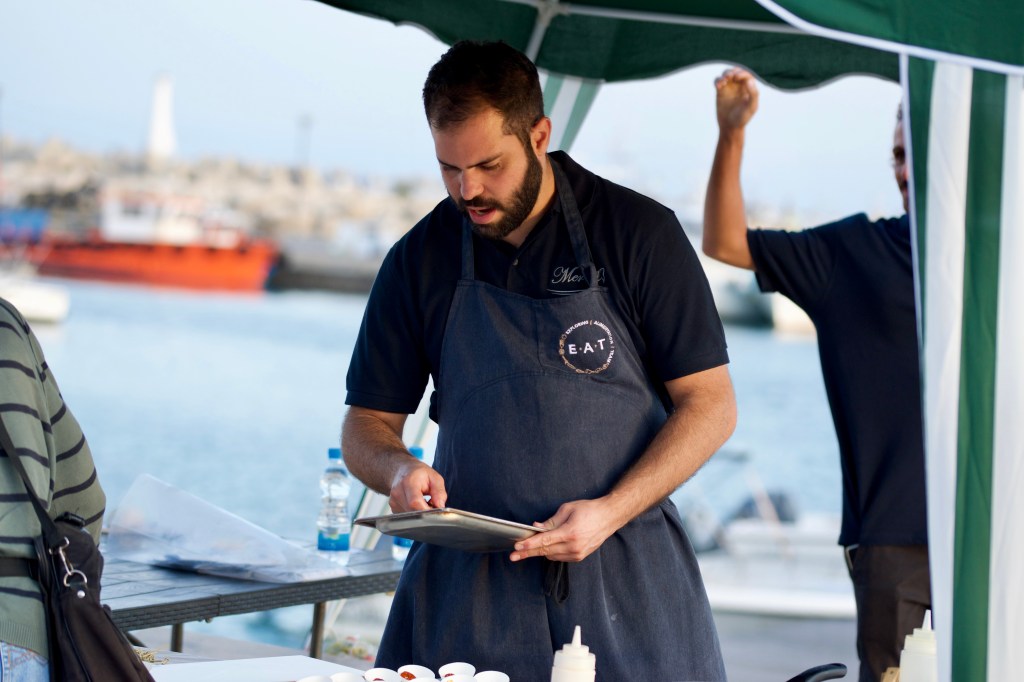
The second project relates to fishing alien invasive species. The Eastern Mediterranean Sea is particularly affected, experiencing some of the most severe ecological shifts globally due to climate change and human impacts. Invasive alien species (IAS) further strain local economies by disrupting fisheries and tourism. The current data shows that more than 50% of catches for fishers consist of these species. These are species that don’t have a good market value currently, but they’re edible, except for one. What we are encouraging through the Fish the Alien – Phase II project now, is to first train the fishers, why target and how to target these species, and then connect these fishers with restaurants and chefs. Through awareness events and seminars, guest tastings, and food and beverage team cooking sessions, the project transforms alien species into sustainable culinary opportunities, supporting ecological balance, sustainable tourism, and local livelihoods (you can read about the project here).
I heard some arguments from vegans such as: if invasive species are the problem, why not control reproduction instead of catching them and encouraging consumption? Can you comment on that?
It is very difficult. They don’t have predators in the Mediterranean and can reproduce quickly. Other population-control technologies currently used for domestic animals, do not currently workat ecosystem scale for wild marine fish. Oceans are too open and populations too large. I do understand and I do agree that we should be encouraging more plant-based food sources because of the commercial way animals are being treated and the negative impact that has on our environment. But since people are consuming fish anyway why not divert them towards more sustainable fisheries. Consumers at the end, could become part of the solution when they consume the right type of fish – helping support livelihoods for local fishers while essentially becoming ocean stewards and actively participating in the protection and restoration of our precious seas.
You mentioned two of the projects and the third one?
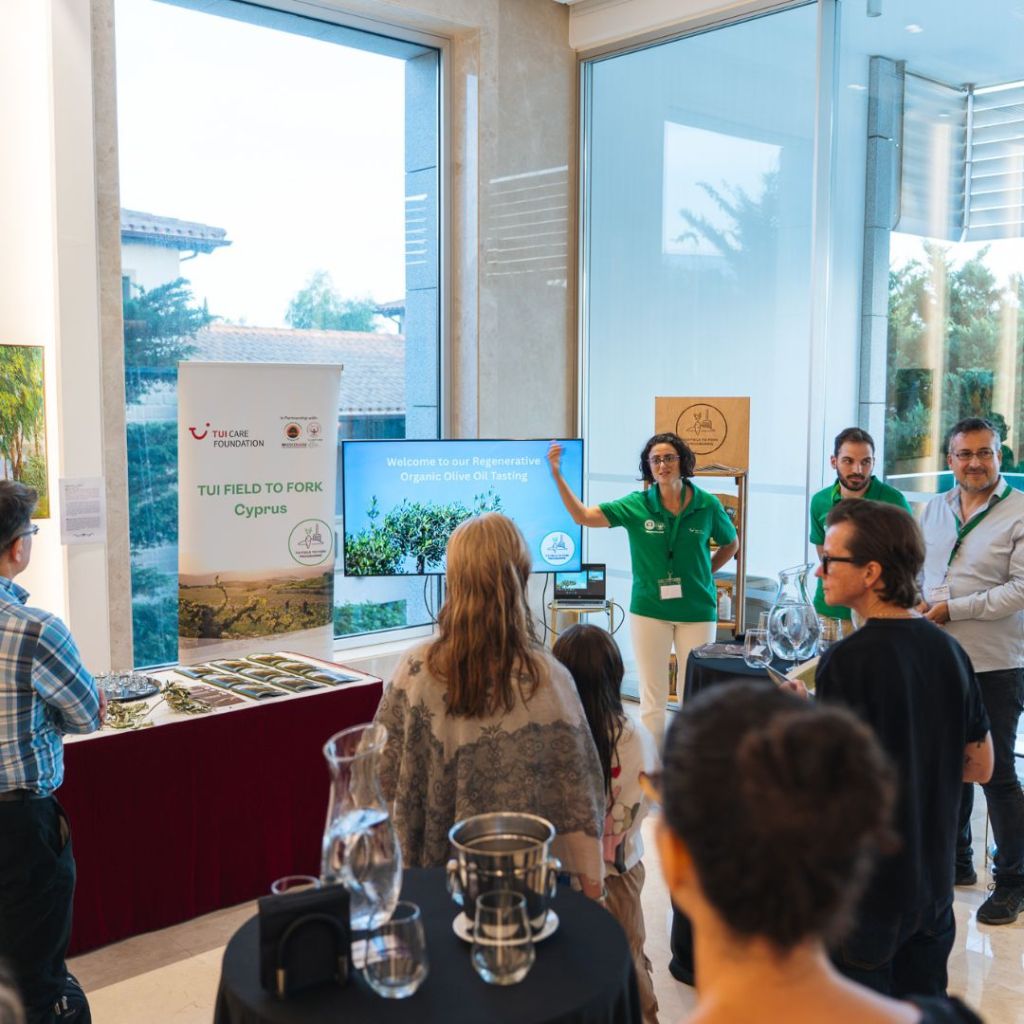
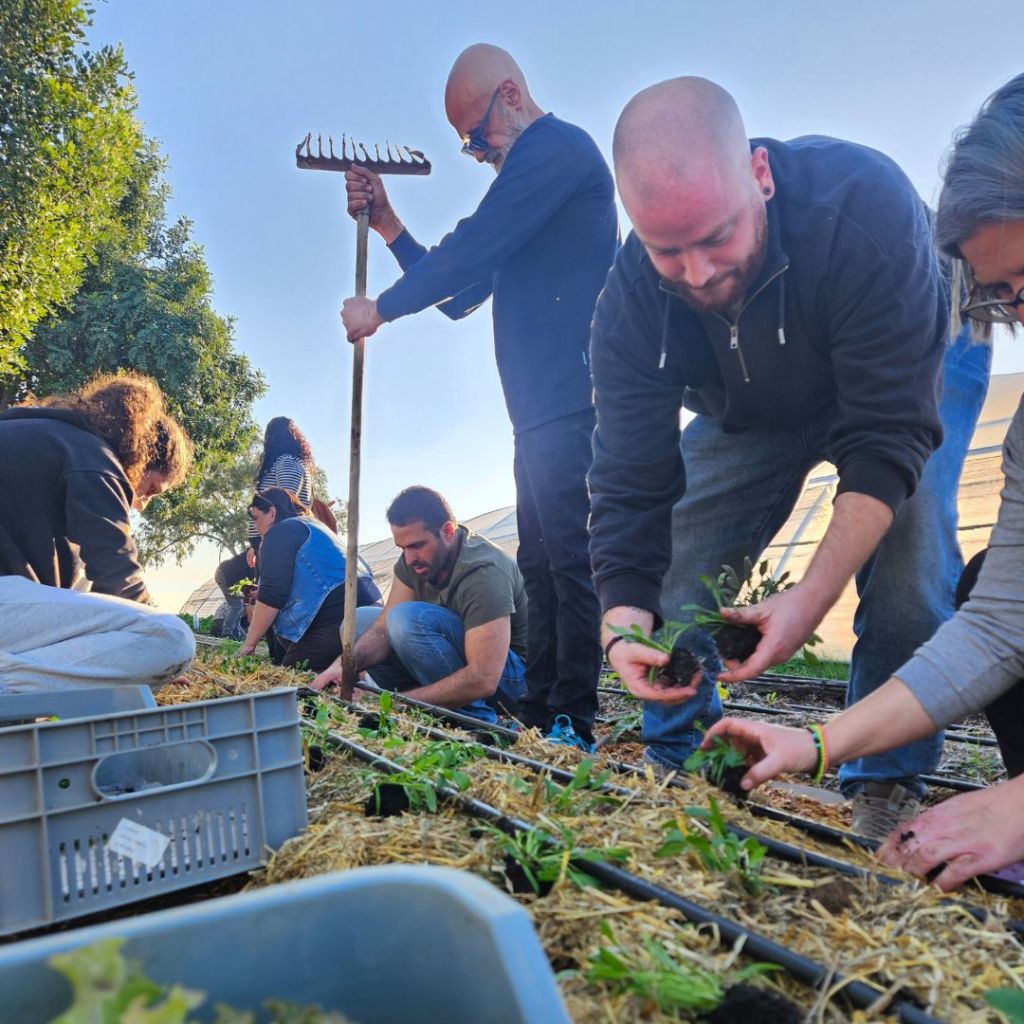
The third project that is running right now is on regenerative agriculture and we’re actually having a very fun festival coming up in May. We try to help more farmers transition to more sustainable farming and phase out chemical pesticide and fertilizers and instead focus on protecting and regenerating their soils, encouraging them to adopt more nature-based solutions. One of the program’s objectives is to encourage the creation of strong partnerships between local Regenerative Agriculture (RA) producers and hotels, reinforcing the ‘Farm to Fork’ concept. This collaboration allows hotels to source fresh, local RA products directly from the farmers, helping boost local economy, contributing to the natural environment, and offering authentic tourist experiences to their guests (you can read more about the project here).
What are the biggest environmental challenges facing Cyprus today? Have you seen in recent years some changes from people towards these issues?
In my perspective, three challenges are quite large in Cyprus. One is climate change. We are at a hotspot of climate change and it’s really running out of our control. So we should be really running towards it with adaptation. Climate change is going to pretty much undermine everything that we do, our economy including income from tourism, our biodiversity, food production and agriculture, everything is already been affected but what we are going to experience will possibly exceed our anticipations.
The other issue I see is water and how we manage it. We are the EU nation with the highest seasonal water exploitation index – more than 40%, but we are not acting as one. We are relentlessly approving the development of golf courses and touristic complexes for the sake of economy, using up limited resources of water in a way that just doesn’t justify our situation. This year was a rainy year, but the previous two were extreme droughts. We need to be acting fast and including all stakeholders to adapt to our reality. This requires policies from a high level.
Finally, biodiversity. We are actually not only a hotspot for climate change, but for biodiversity as well, which means that we have species in Cyprus that are unique to the island and don’t exist anywhere else in the world. That is very important because genetic material must be maintained.
I would want to see more people aware, but I do understand that life is moving too fast. Most people are distracted working extreme hours, having to take care of kids, having to rush and then consume all the information around. We have to take an extra step to be more sustainable.
We need more initiatives, more opportunities for people to be exposed to what it means to have a more balanced and more natural life, more education opportunities and awareness opportunities. And that’s how we are going to see the difference at the people’s level. We can choose because we are consumers. We can demand because we are employees or employers. We have power. We don’t have to give up on our power to change things because of the inefficiencies we experience at the higher level. We can do our part. And step one starts with awareness. Find initiatives and events around nature and sustainability and spend some time connecting with people and projects there. The power of community can help lift us up and go further.
Finally, the question I ask everyone in my interviews: what is one small step towards sustainability each of us can embrace on a personal or business level?
There are so many little things we could be doing every day. But if I need to choose one, which I feel like a lot of things come after that, is to spend more time out in nature. Get your family get your friends, join a hiking club, join a sports club, go run in nature trails out, go hike. Spend time outdoors and experience the magic and power nature beholds.
I think we can make so many better choices for ourselves if we only make sure to nurture our connection with nature – from the foods we eat, the products we consume daily, to careers we decide to pursuit.
The more time you spend outdoors, the more you find yourself intertwined with everything and everyone around you — and the easier it becomes to protect the places you love. In today’s world, perhaps that sense of connection is what we need most.
Interviewed by Lusine Mirzoyan
 www.natureallydone.com
Leave a comment