

I first met Michalis when by chance I won one of his scarves in a giveaway. I was moved by his love of storytelling through design and a deep appreciation for heritage. In this conversation, Michalis opens up about the winding path that led him from the villages of Cyprus to launching a sustainable brand in Amsterdam, the moments that shaped his vision, and why he believes that a scarf made today should still feel relevant in 2040. This is a reminder that fashion can be slow, soulful, and deeply rooted in meaning.
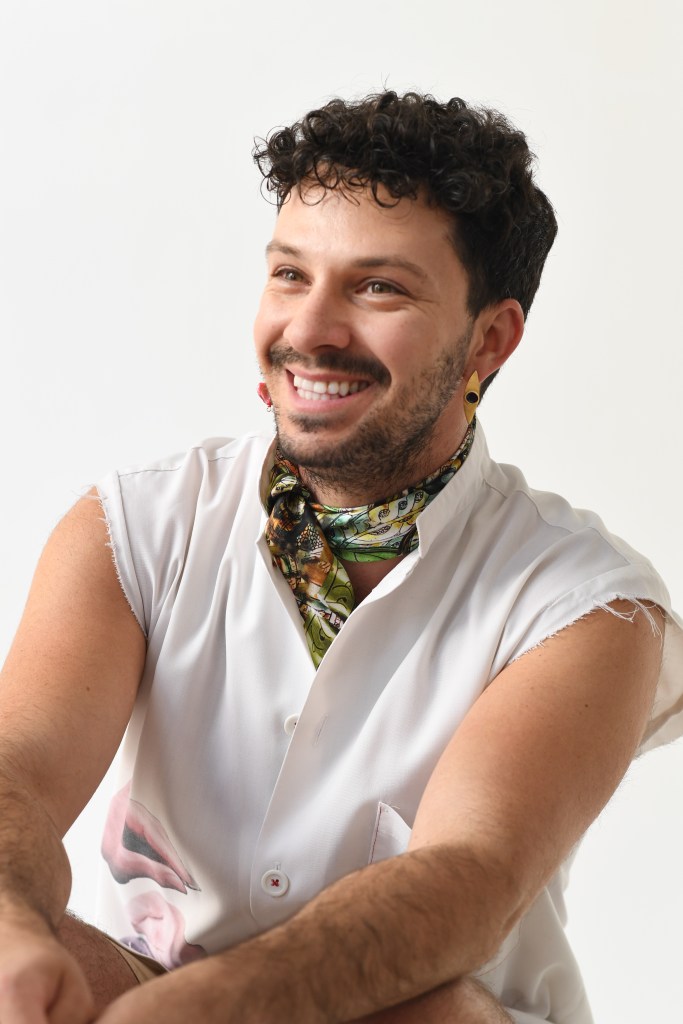
Let’s start from the beginning. Tell us about your journey into fashion.
I’ve always been fascinated by the stories and emotions that fashion evokes. In 2015, I visited the Jean Paul Gaultier exhibition in Paris and realized how deeply I was drawn to this world. I was also inspired by how brands like Dolce & Gabbana celebrated Italian culture and heritage through their designs — that left a strong impression on me.
My journey began in the UK, where I studied Fashion Textiles. During my studies, I completed a six-month exchange program in Hong Kong, a one-year placement in Amsterdam, and after graduation, I worked in Italy for six months. In 2021, while still based in Amsterdam, I decided to launch my own brand.
What drew you specifically to sustainable fashion?
My focus on sustainability started during my university years. In 2017, I watched a documentary about ocean plastic that truly shocked me. Around the same time, we were studying sustainability in our coursework, which deeply influenced my mindset. Later, I interned at Ronald Van Der Kemp’s studio, where I learned to view materials in an entirely new way. That experience taught me that originality and authenticity matter far more than chasing trends, and it shaped the way I approach my work today.
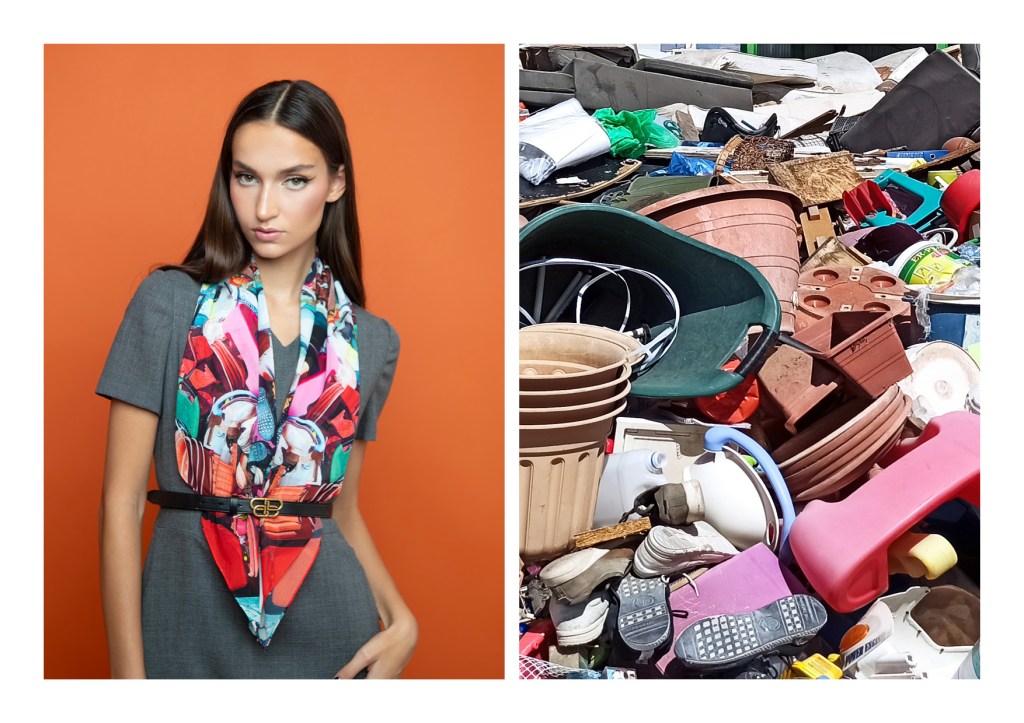

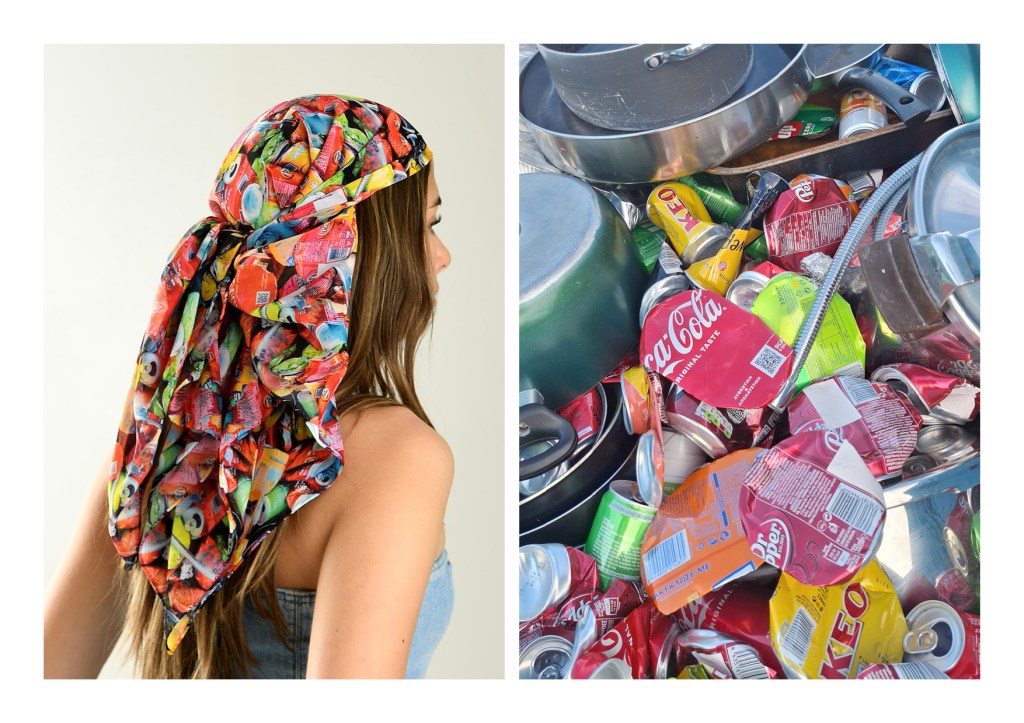
Growing up in Cyprus, what cultural or natural influences shaped your aesthetic?
I grew up in Strovolos, but some of my best memories are from my village, Kyperounta. I remember helping my grandfather harvest grapes and apples, and assisting my father with olives and pomegranates. These early experiences nurtured my deep appreciation for nature, the seasons, and our connection to the land.
My grandmother also played a big role in shaping my creativity — she was always working with fabrics at home, and from a young age I was drawn to textiles. Even today, the Cypriot landscape inspires me: the sea, the architecture in historical towns, museums, and the warmth of the people. Cyprus is rich in beauty and stories — there’s always something to observe and be inspired by.
When you started, you sold only four scarves. Was there ever a moment you wanted to give up? What kept you going?
Despite selling only four scarves in the first two years, I never considered giving up. Deep down, I knew what I was doing had meaning and value. I kept reminding myself that good things take time. My passion for creating is so strong that even in slow moments, I saw it as part of the process — not a reason to stop.
How did early failures affect your approach to design and business strategy?
Early failures taught me to be flexible, resilient, and open to experimentation. They pushed me to trust my own vision and not be afraid of trying new things. I also learned to really listen to client feedback, to understand what they need and value while still staying true to my creative direction.
From a business perspective, I realized how important research and daily action are. I don’t sit and wait for things to happen, I move forward, step by step, every single day.
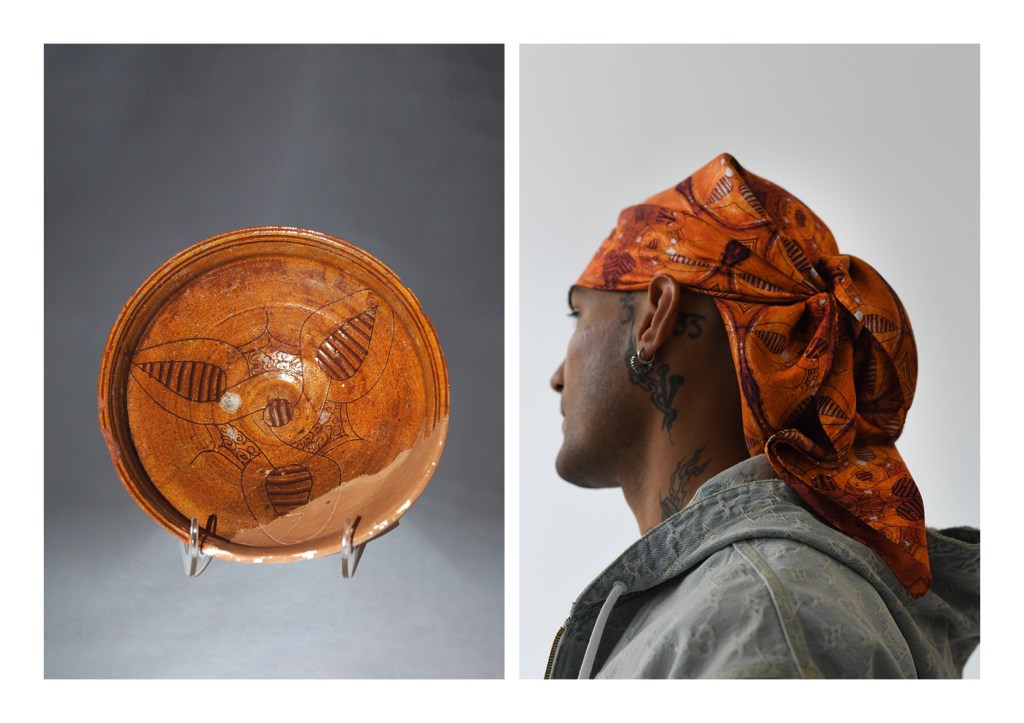
Tell me a bit about the process of creating your scarves and the materials you use.
Every design starts with a concept — an idea or feeling I want to communicate. Then I move into photography, capturing images that tie into the story. I create a digital collage by mixing different elements until the artwork feels right. After that, I produce test prints to check the colors, scale, and placement on the fabric.
When I launched my brand in 2021, I used recycled polyester in collaboration with companies in the UK and the Netherlands. In 2025, I introduced ethically made silk from Soufli, Greece. Today, I continue creating limited-edition dresses in recycled polyester and silk scarves — materials that reflect my commitment to sustainability, quality, and timeless design.
What would you say to people who find your pieces expensive?
I believe every piece has its own audience. Not everyone will connect with my work, and that’s perfectly okay. But those who do, understand its value. Each item takes months to develop — from the initial concept to the final product. My scarves are unique, limited, and deeply artistic. They’re made from high-quality, ethically sourced materials in Europe and are designed to last.
To me, these aren’t just fashion accessories. They’re meaningful, timeless pieces of art which made to be worn, loved, and passed down.

Imagine it’s 2040, and someone is wearing a piece you designed today. What story do you hope it still tells?
I truly believe people will still wear the scarves they buy today in 2040 because they’re timeless. I never design with trends in mind. Instead, I design with emotions, heritage, and storytelling at the core.
Trends fade, but something created with meaning and care can endure. I hope these pieces will continue to carry the essence of Cyprus, of nature and culture, and of a creative spirit that respects the environment. The idea of a scarf being passed down through generations — full of memories and still relevant — is the most beautiful thing to me.
What advice would you give to aspiring sustainable fashion designers just starting out?
My advice is to have a clear vision and trust it but also remain open and flexible. Be willing to adjust and learn. Surround yourself with people who inspire and challenge you. Listen to feedback, learn from it, and constantly evaluate your progress.
It takes time and patience. But if you stay true to your values and keep taking consistent steps forward, the results will come.
What’s one small act of sustainability you believe everyone can embrace?
Simply becoming aware of your impact. Every action we take — even small ones — affects the planet and society. Things like reusing, repairing, or choosing to buy less but better can make a huge difference when done consistently.
To learn more about Michalis Pantelidis, visit his website or connect on Instagram
Photos for the interview are provided by Michalis Pantelidis
 www.natureallydone.com
Leave a comment